New
Unfortunately, this artwork cannot be added to the room view.


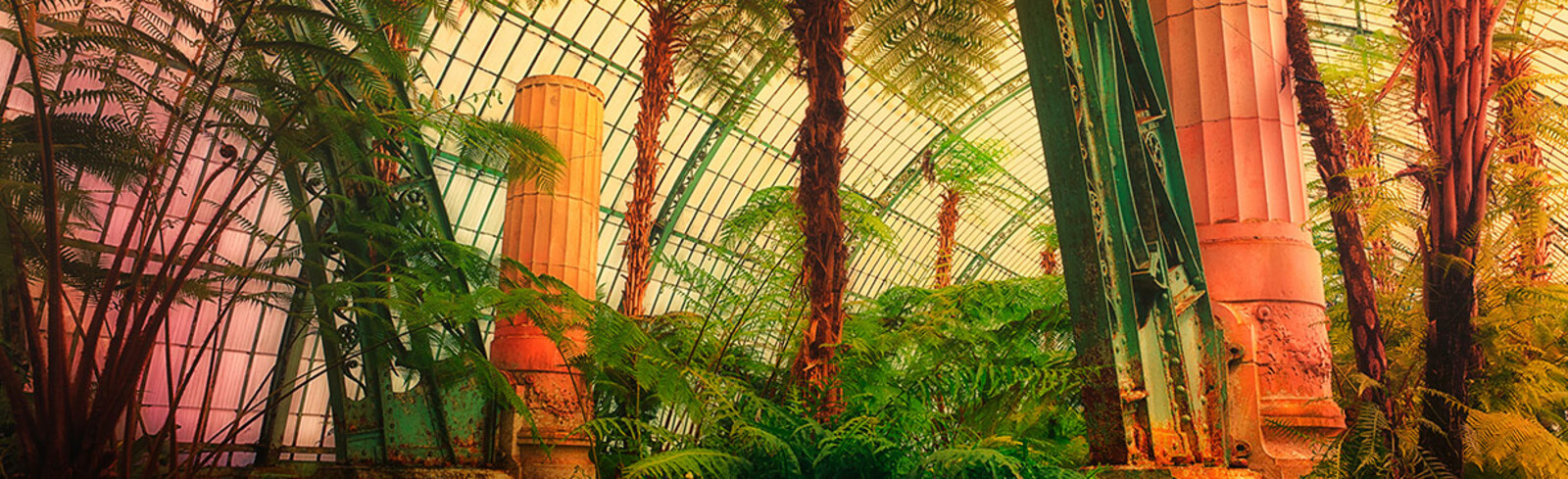
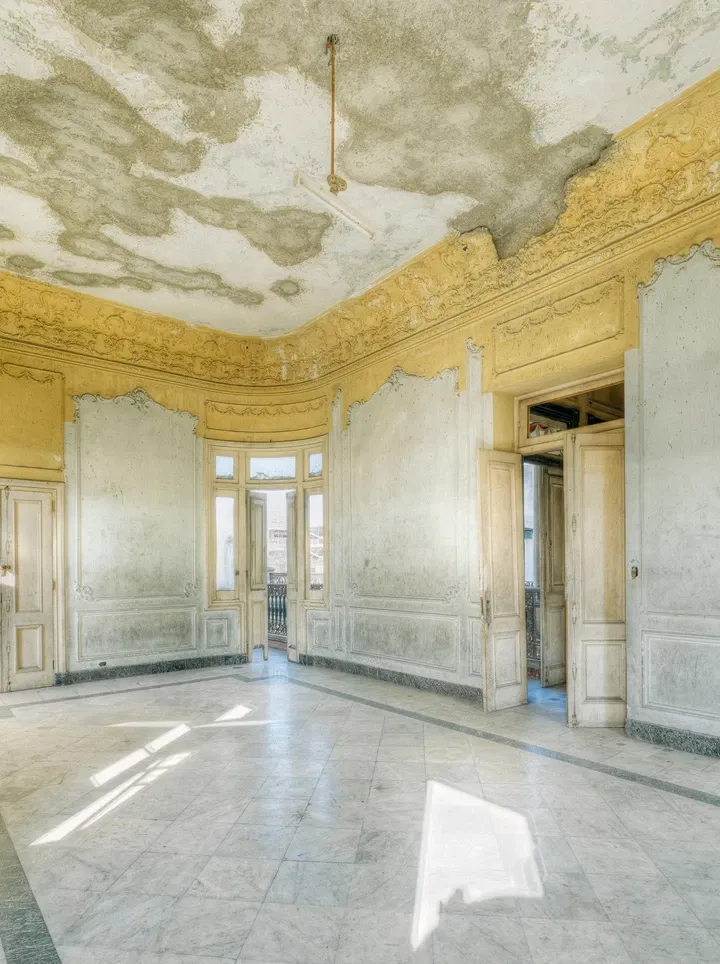
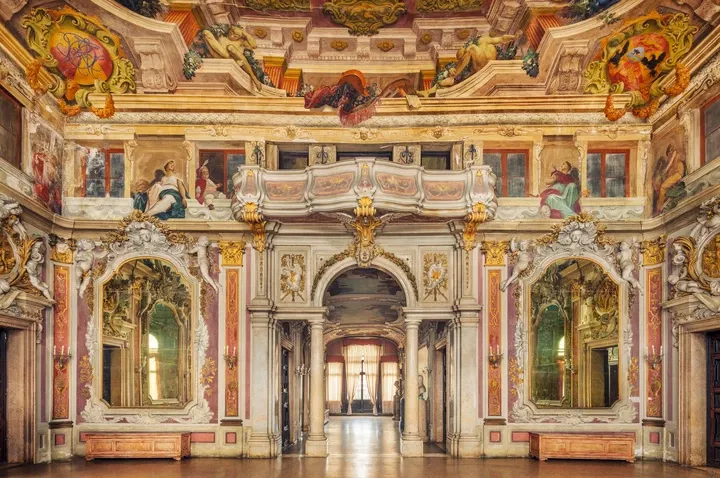
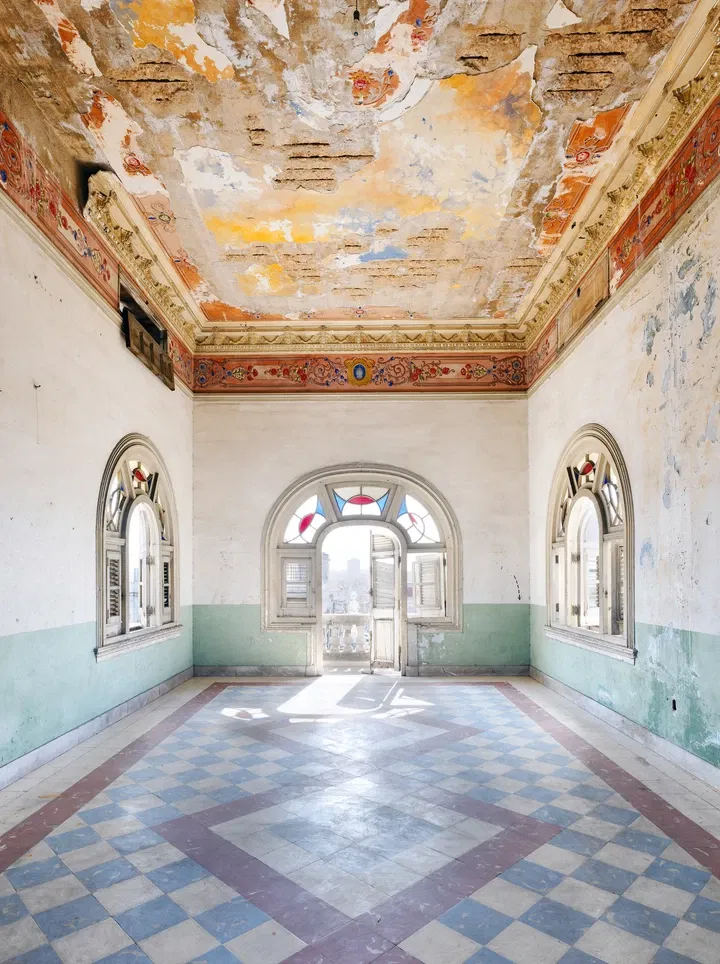
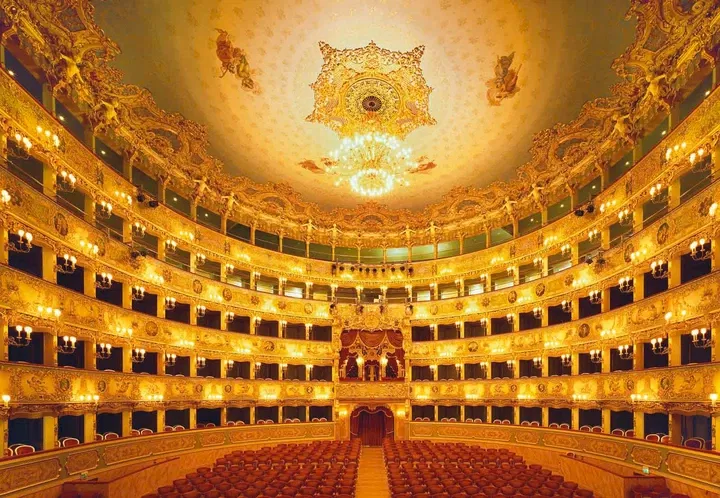
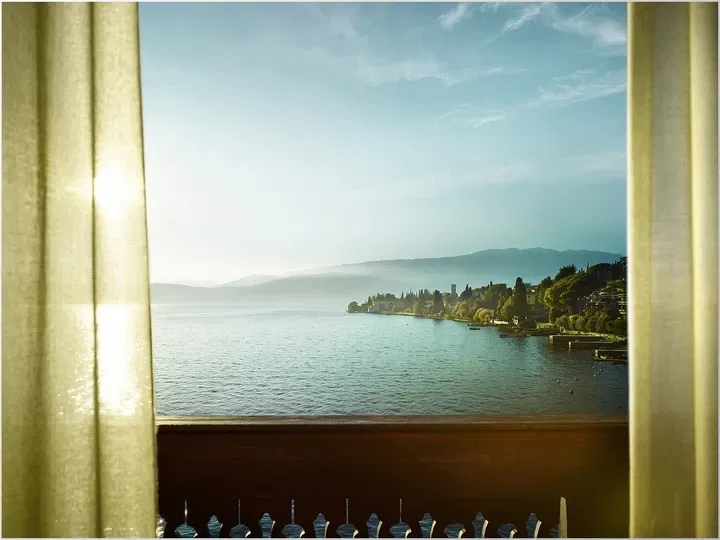
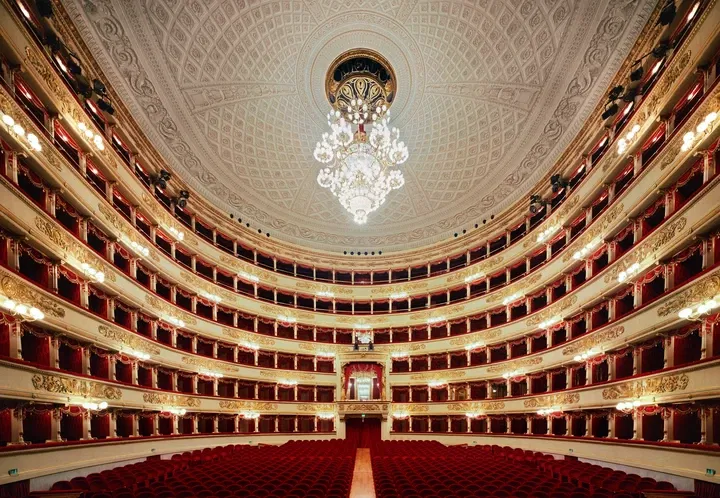
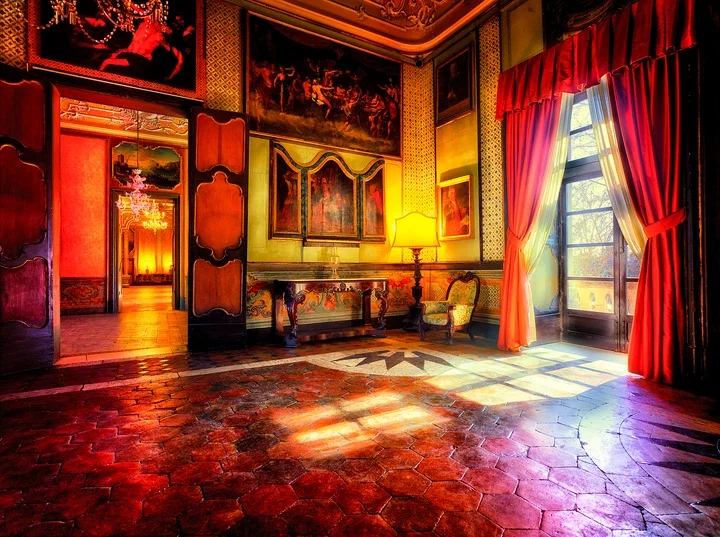
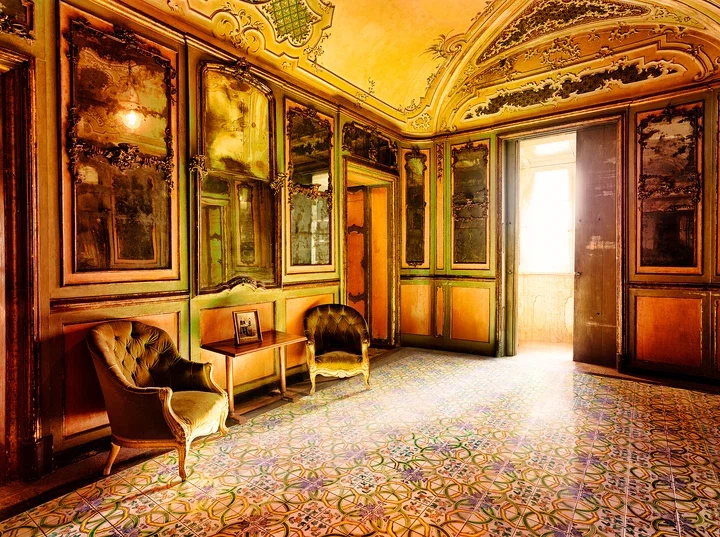
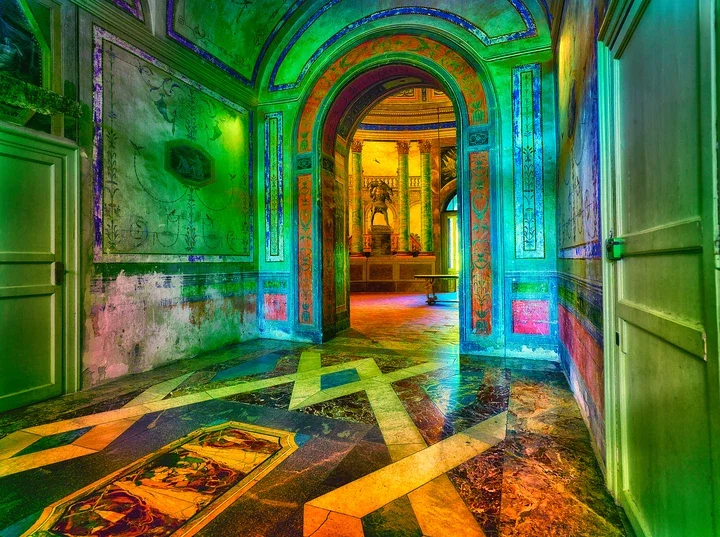
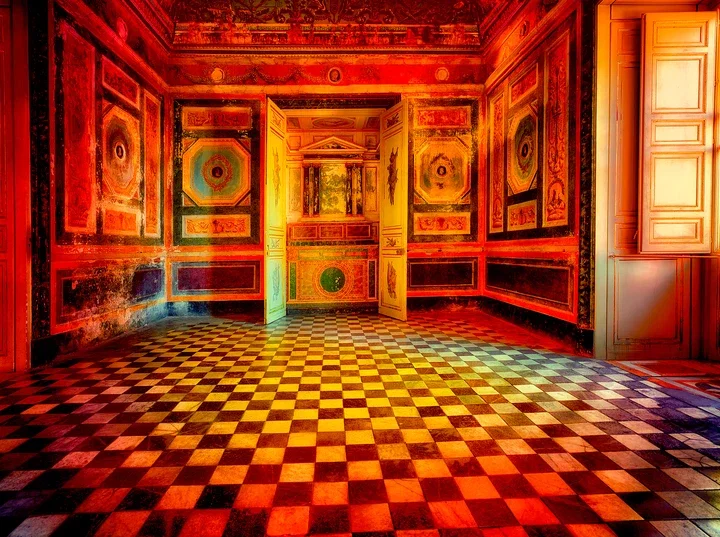
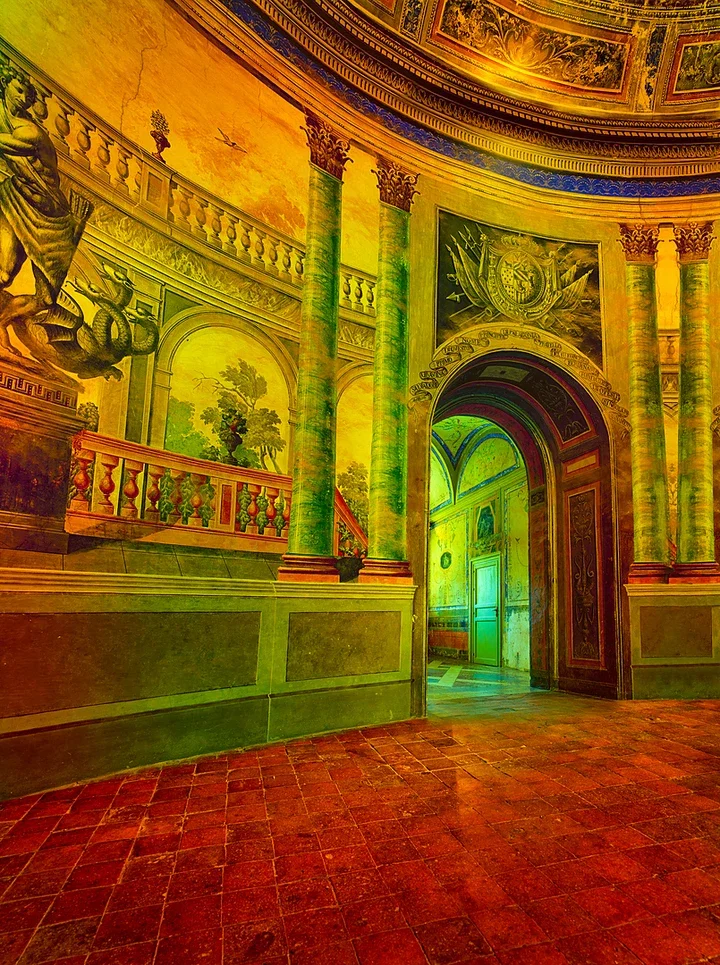
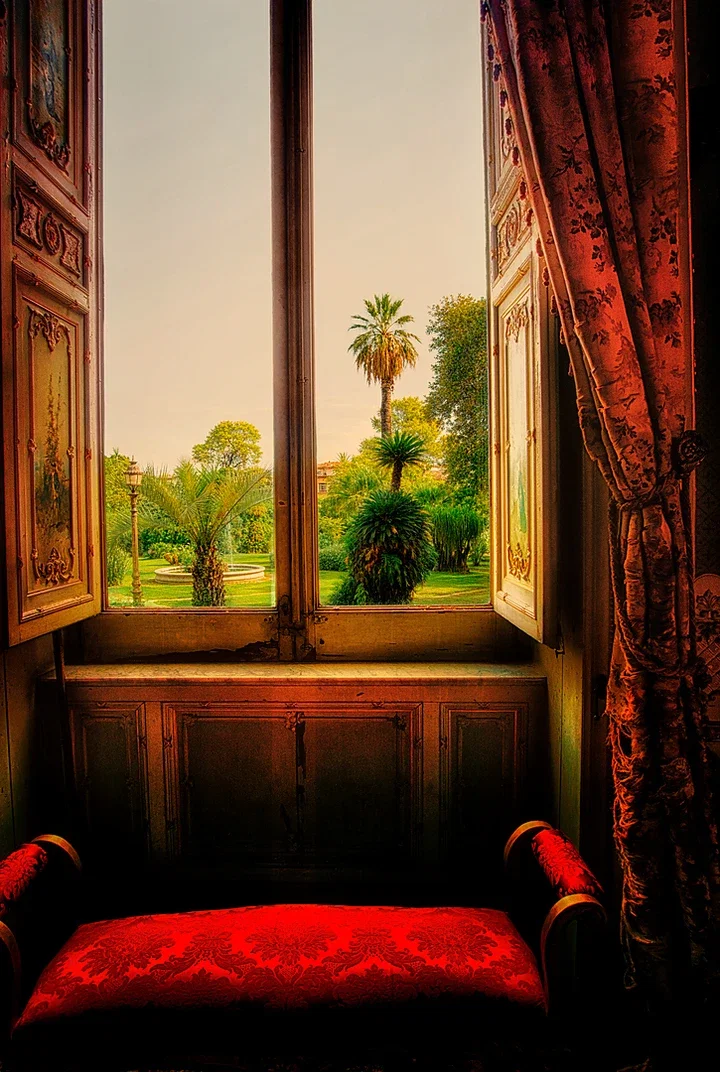
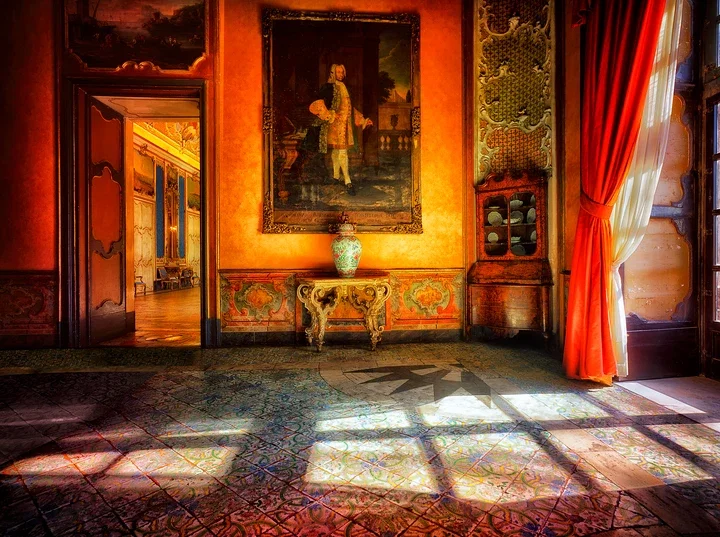
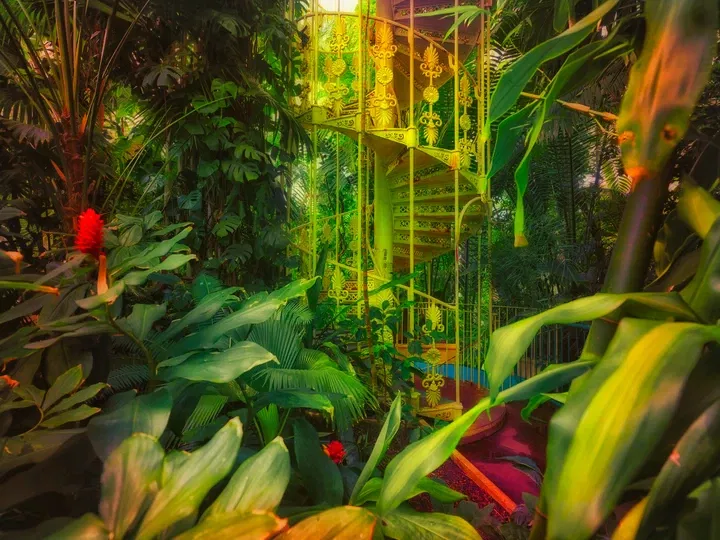
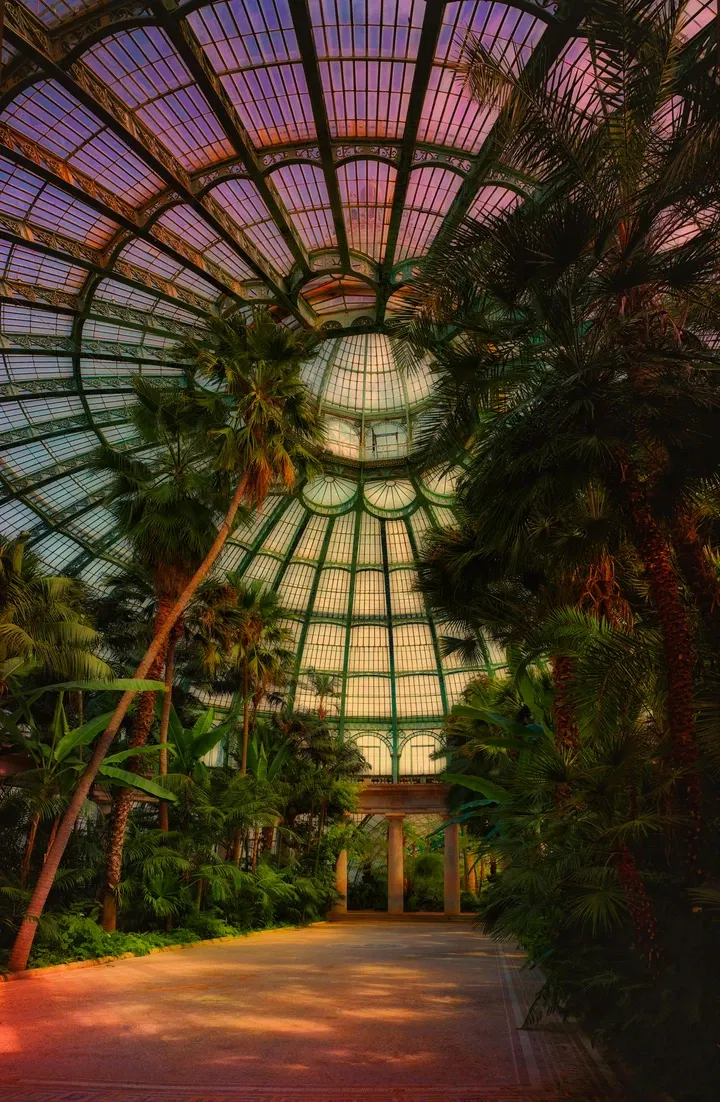
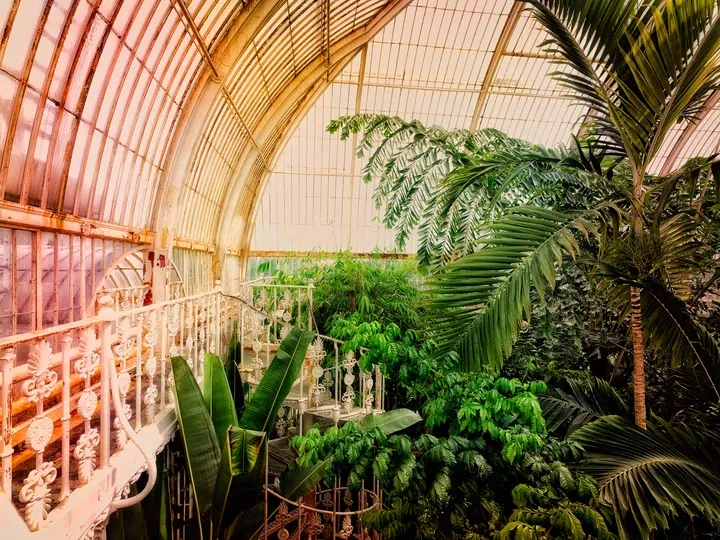
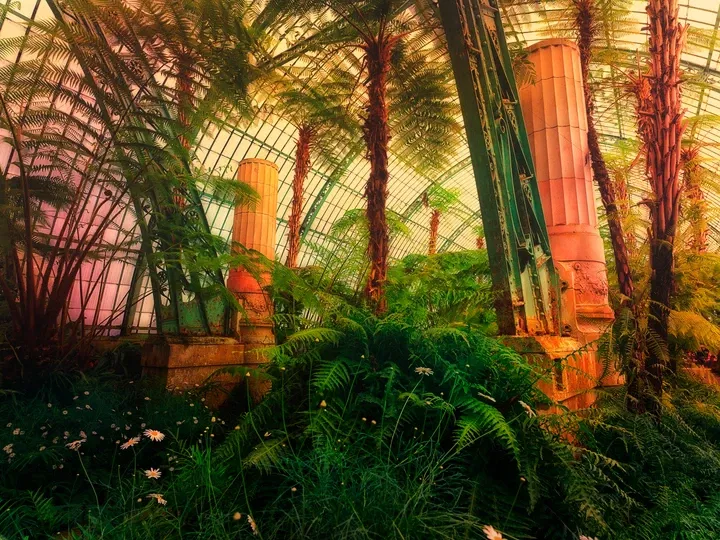
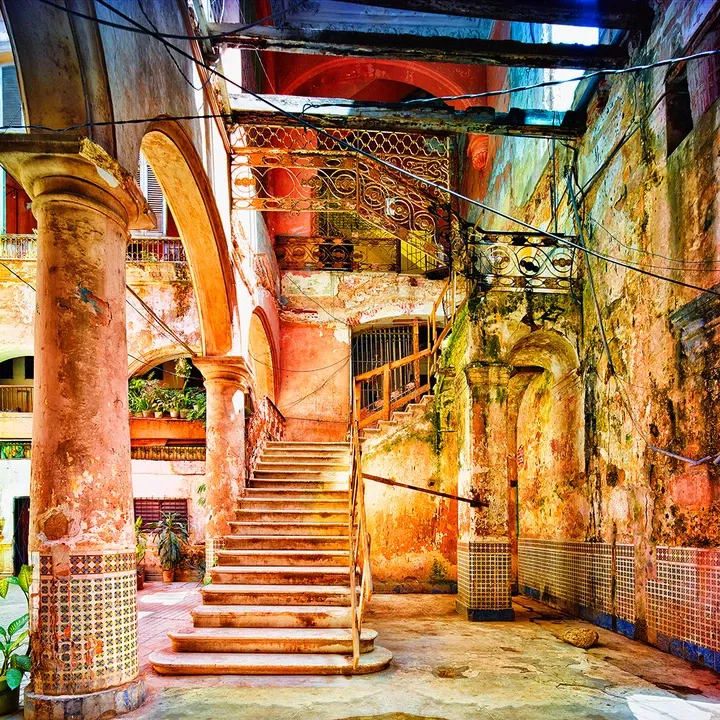
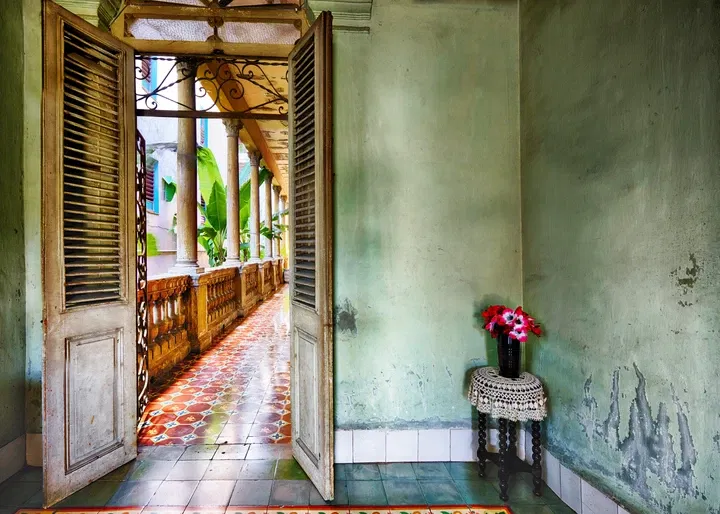
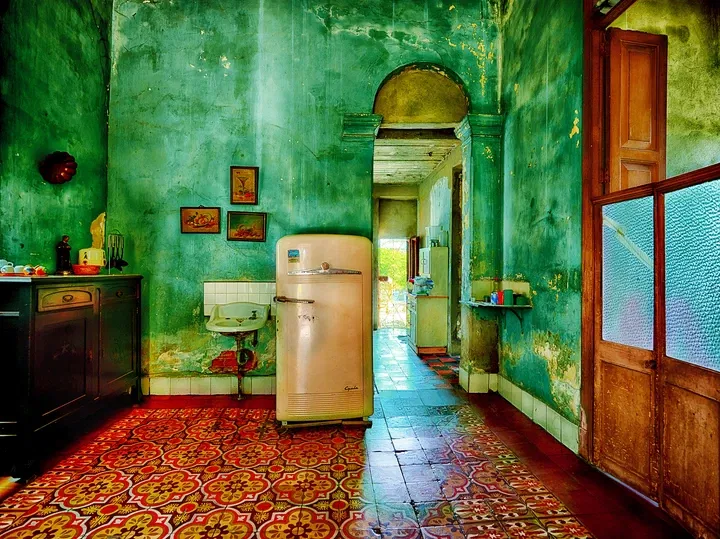
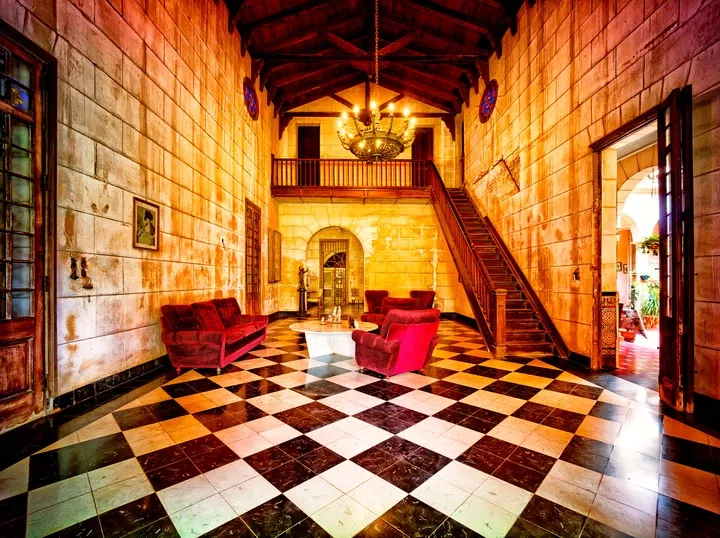
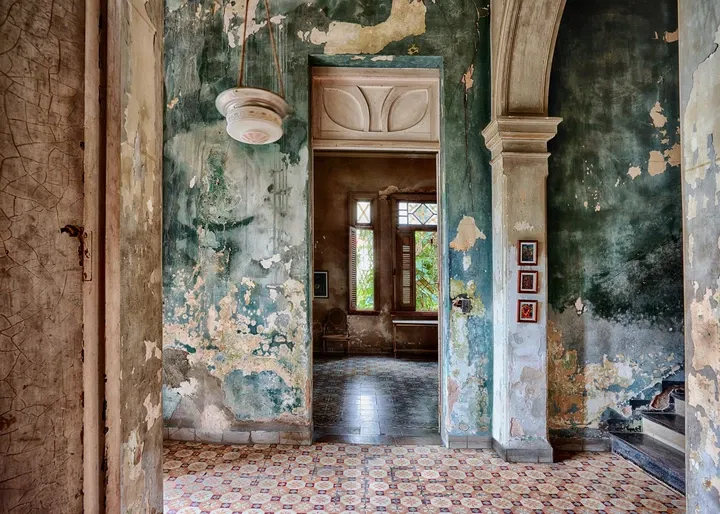
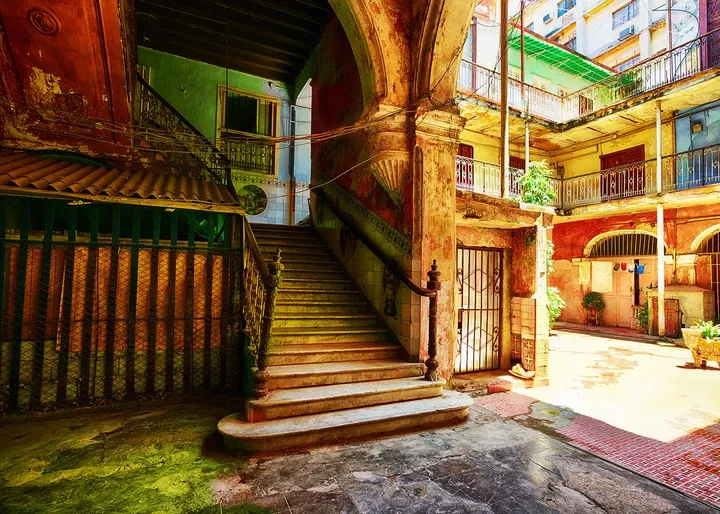
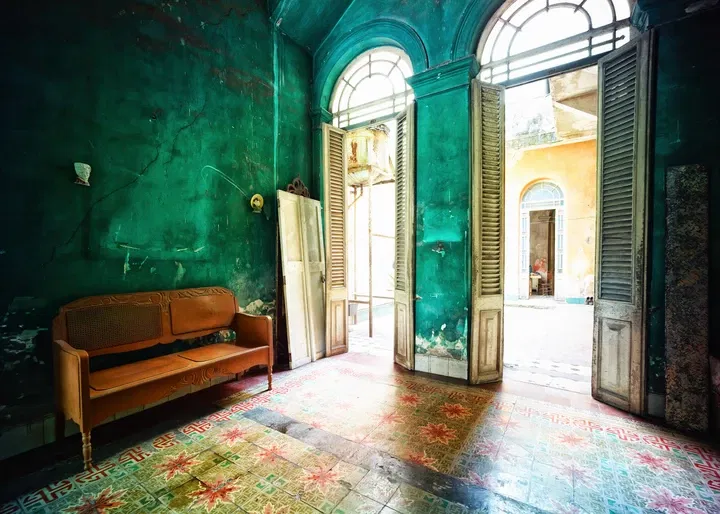
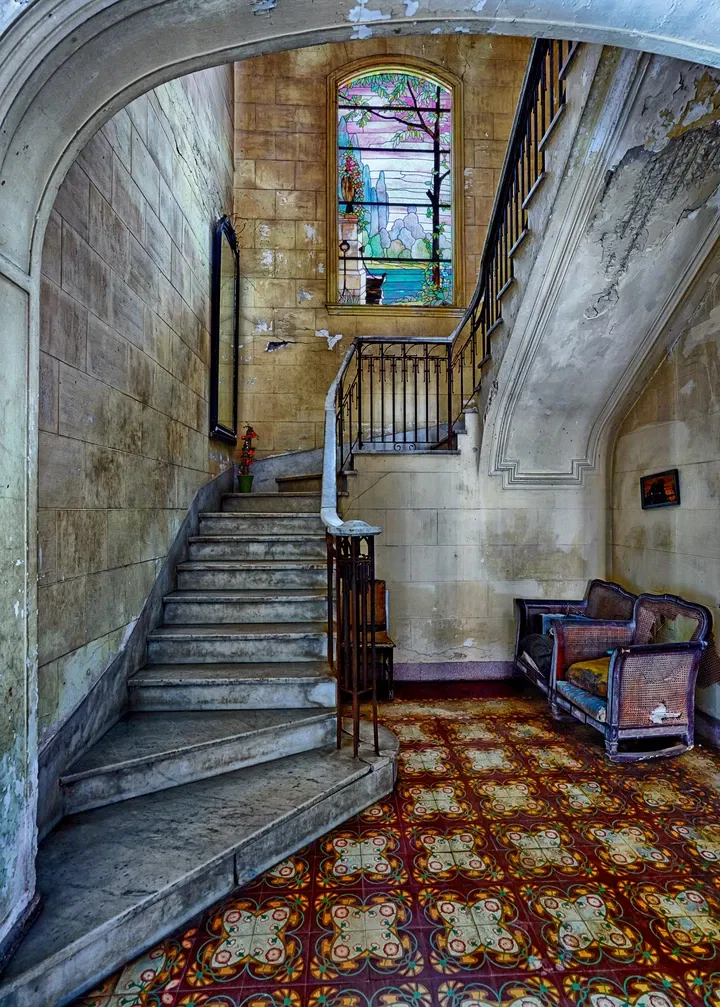
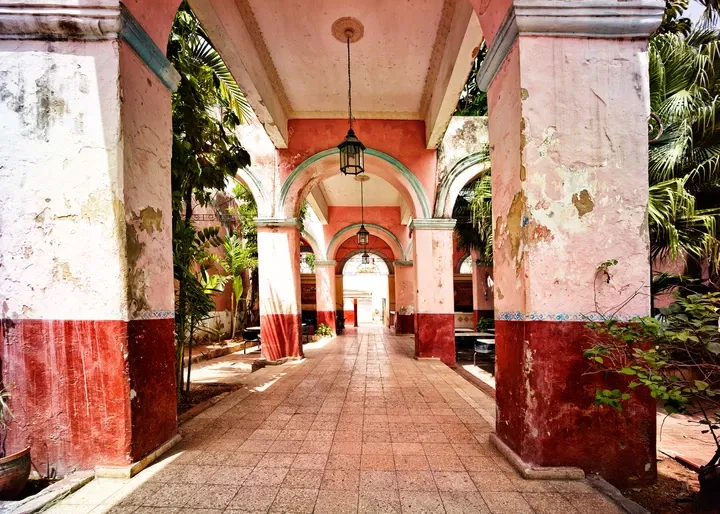
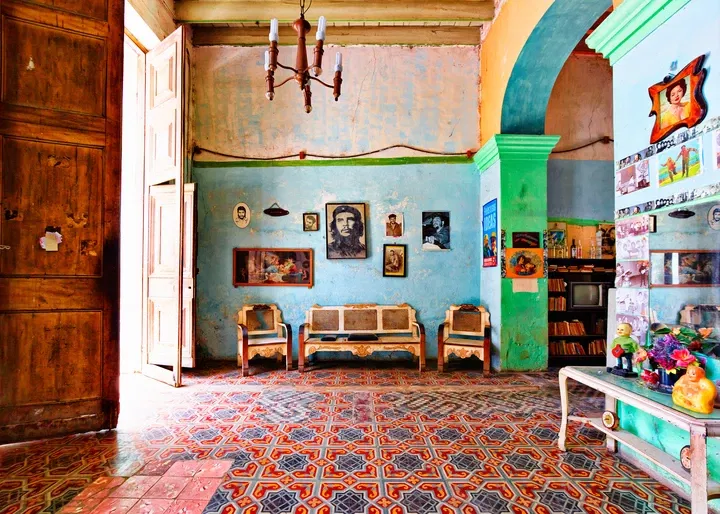
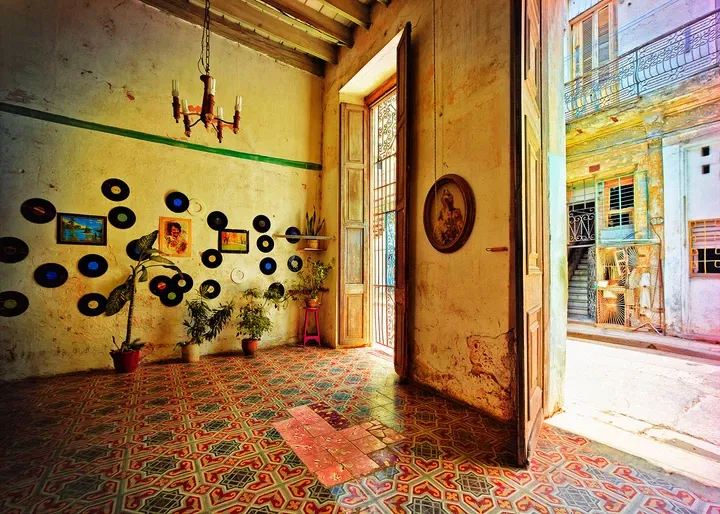
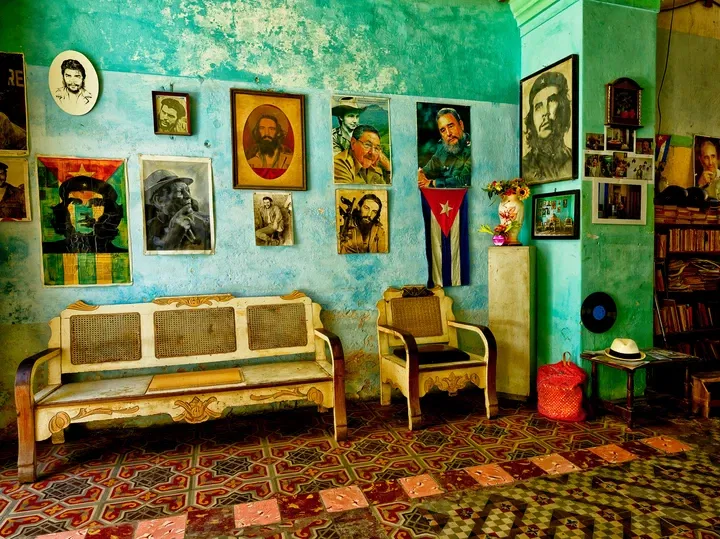
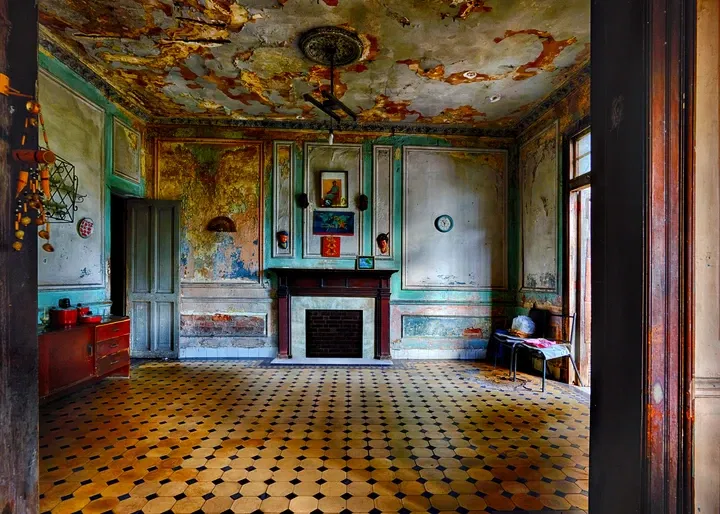
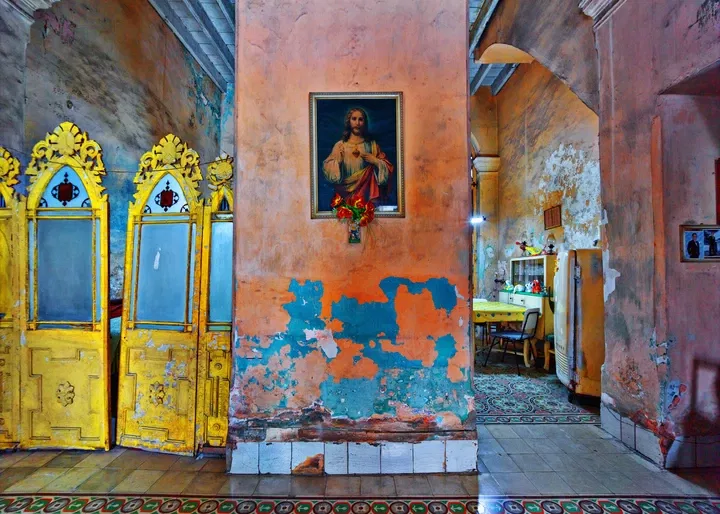
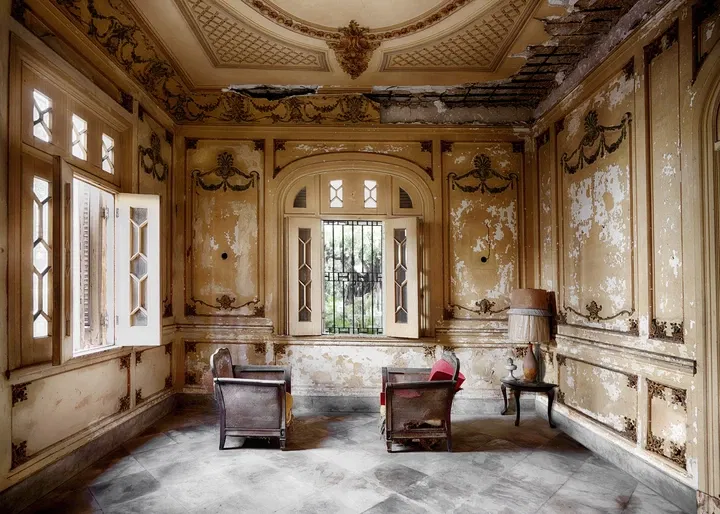
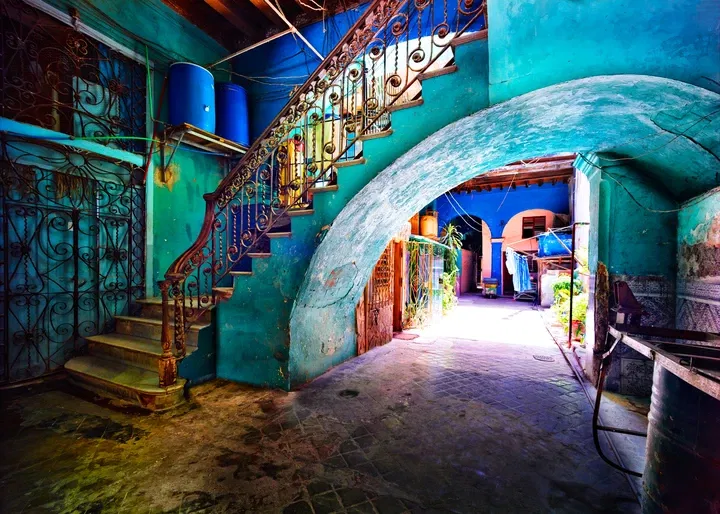
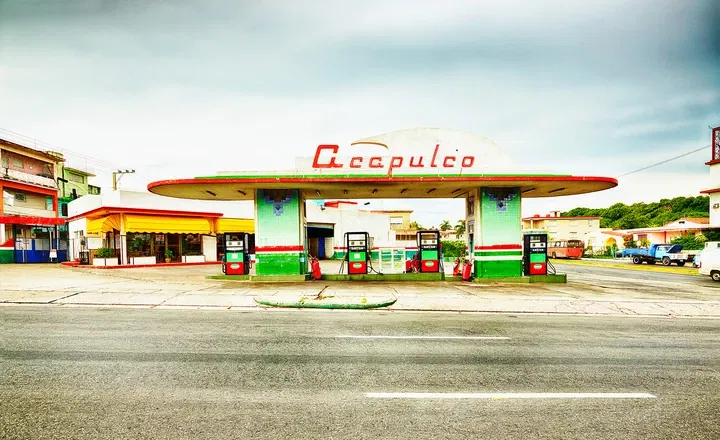
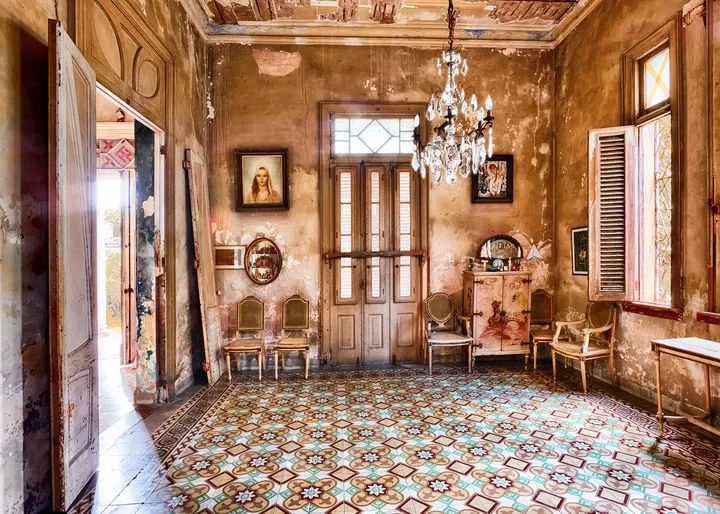
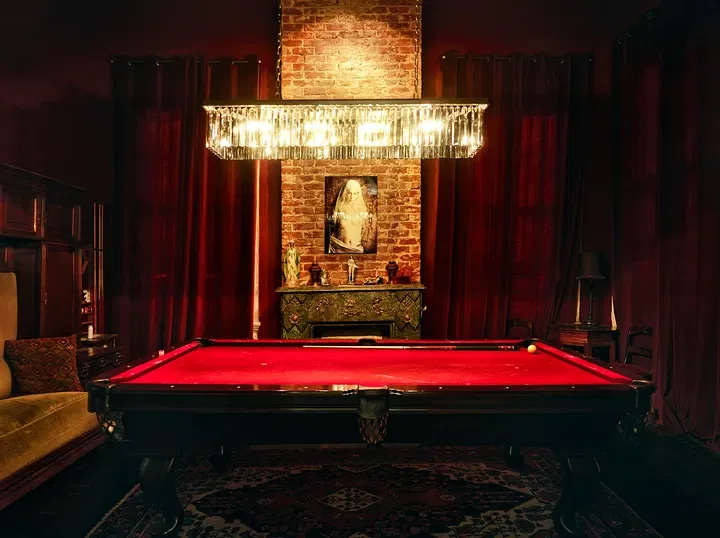
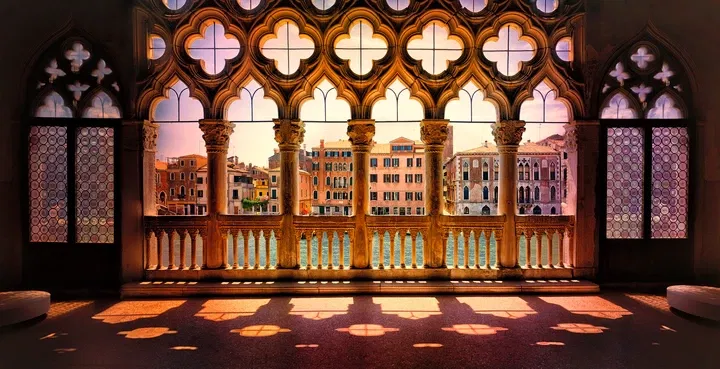
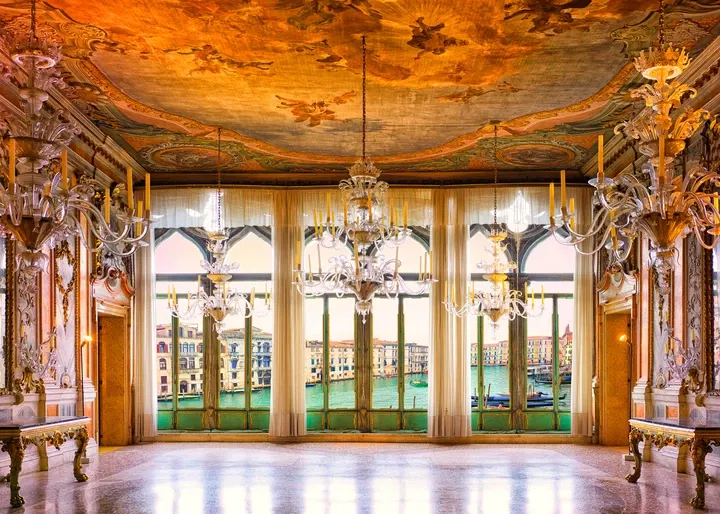
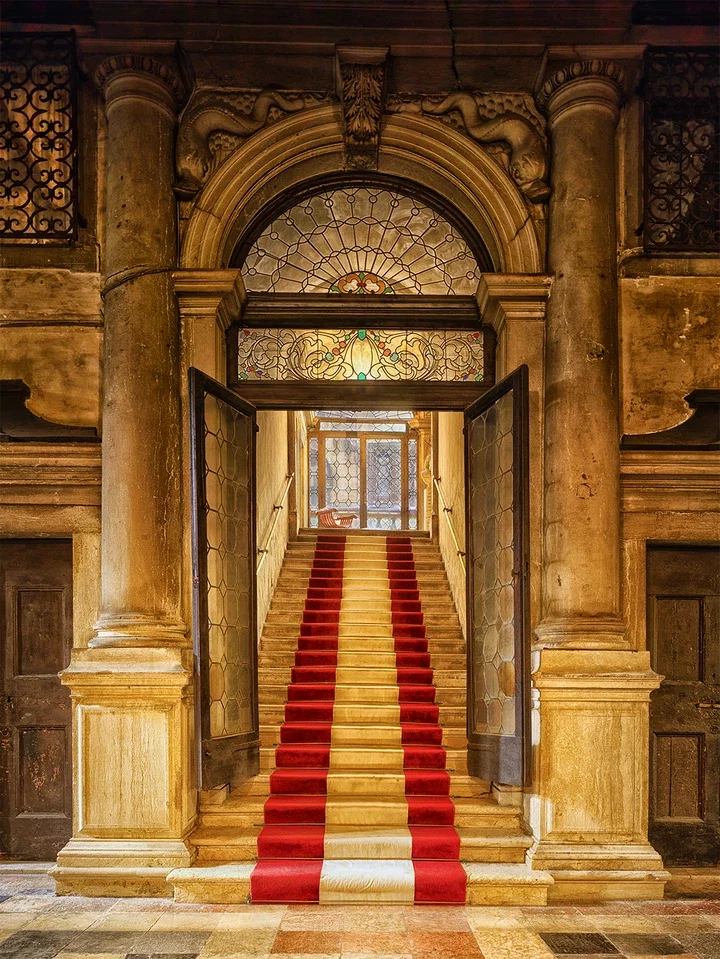
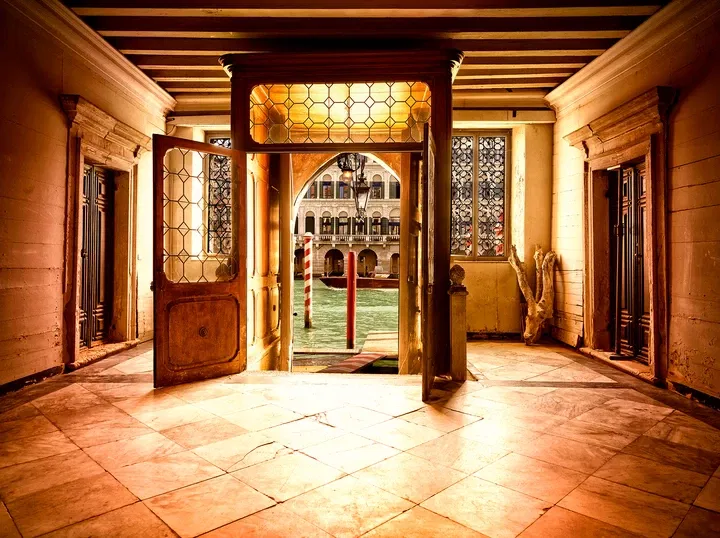
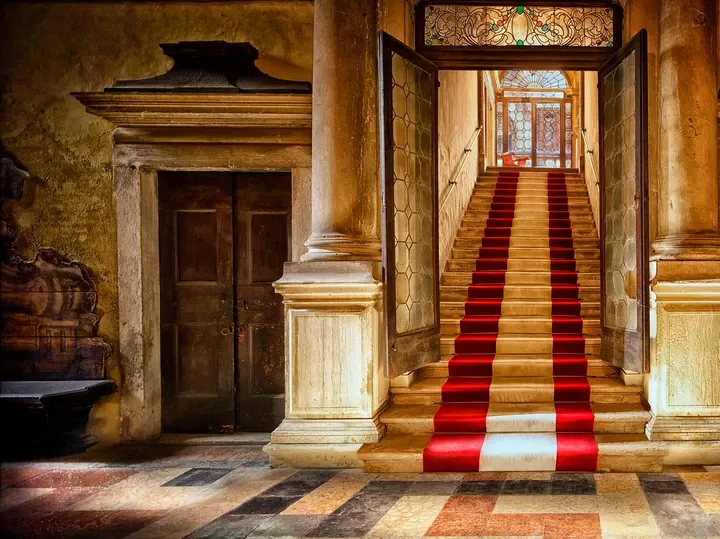
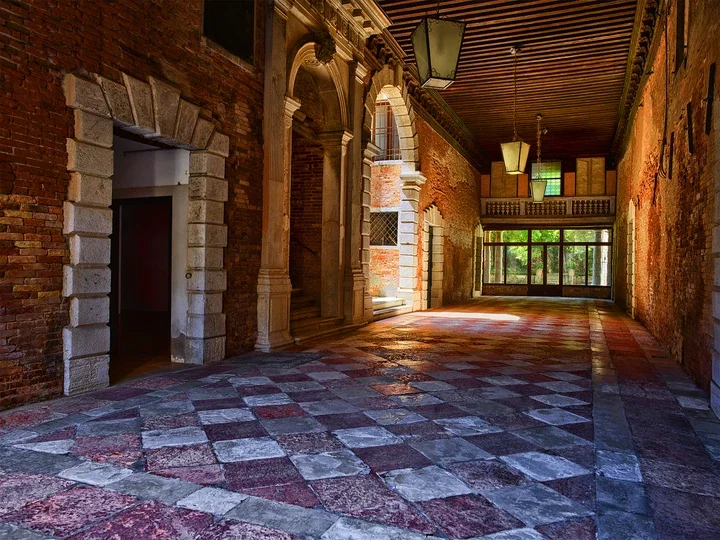
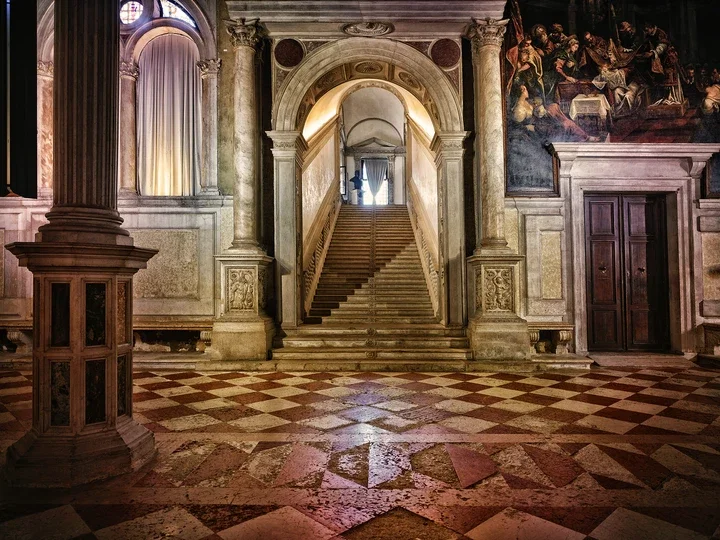
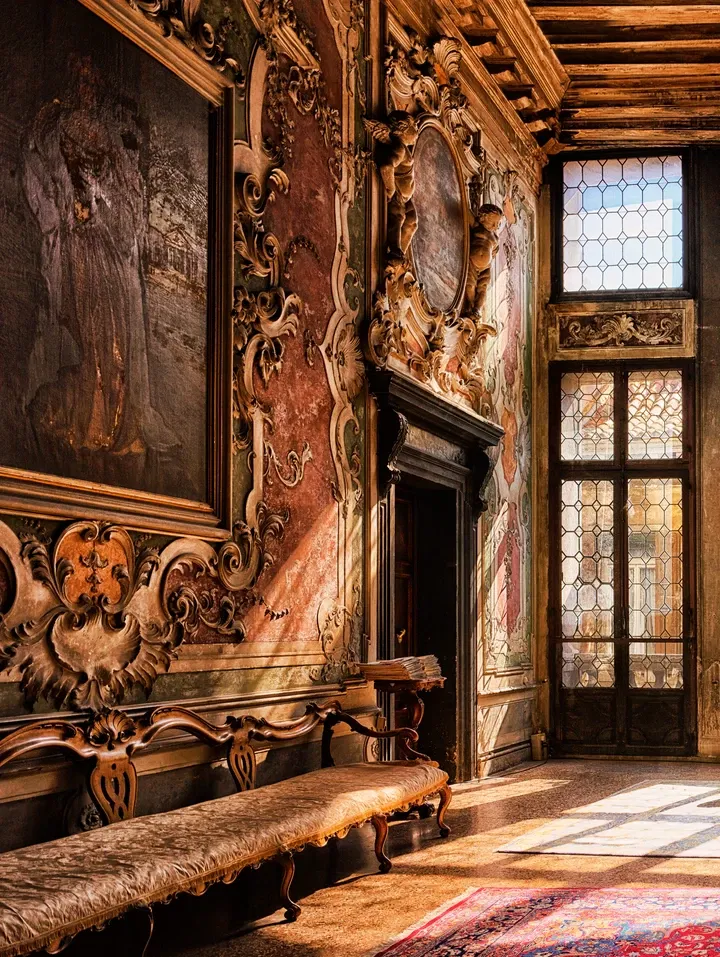
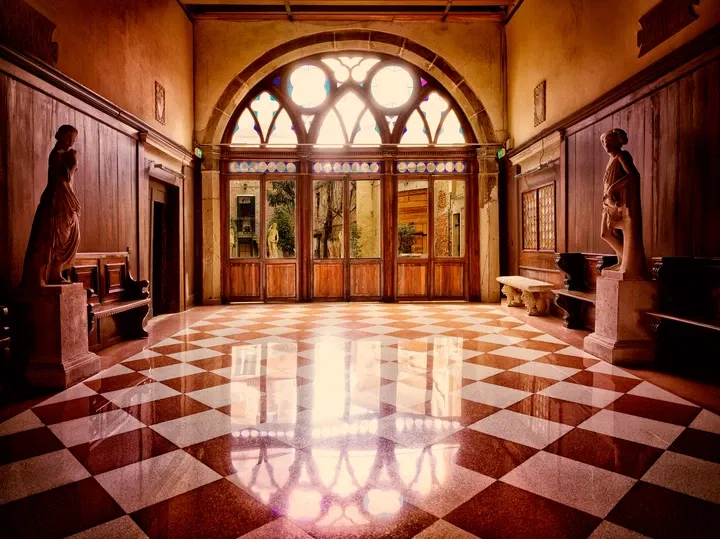
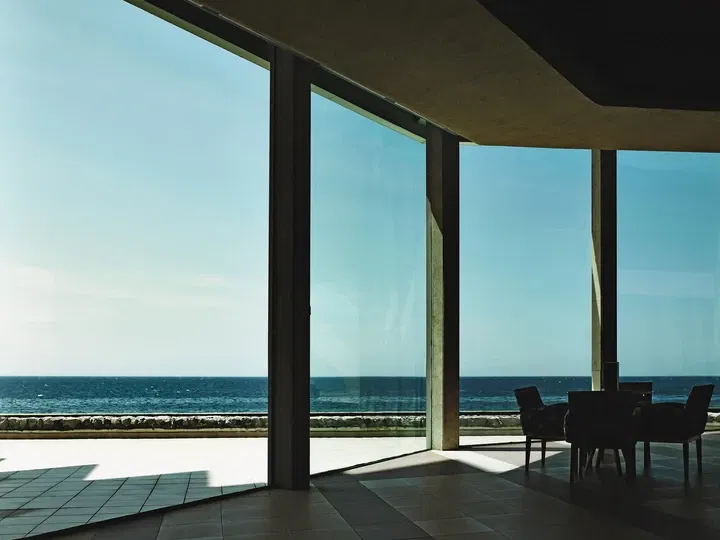
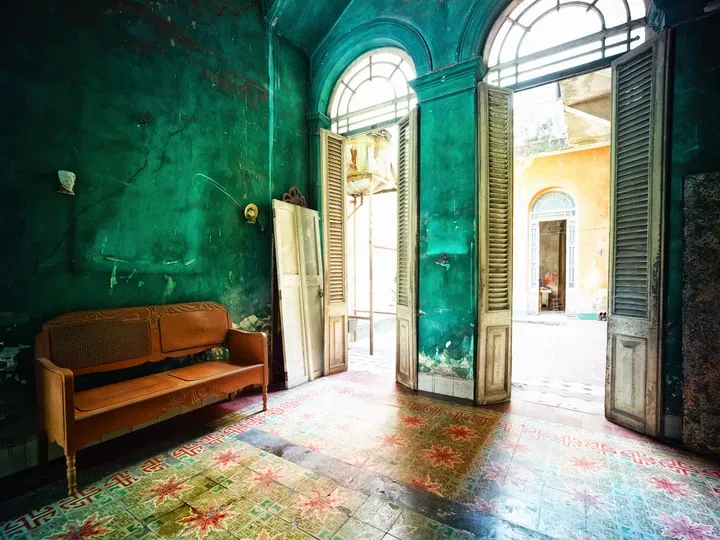
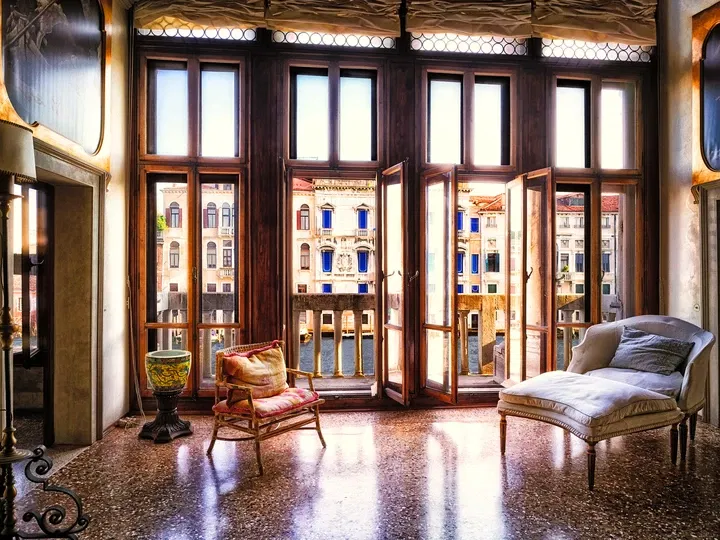
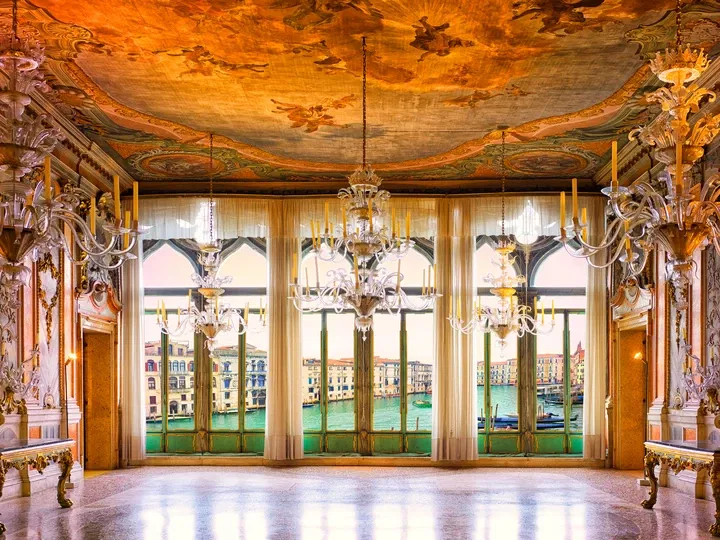
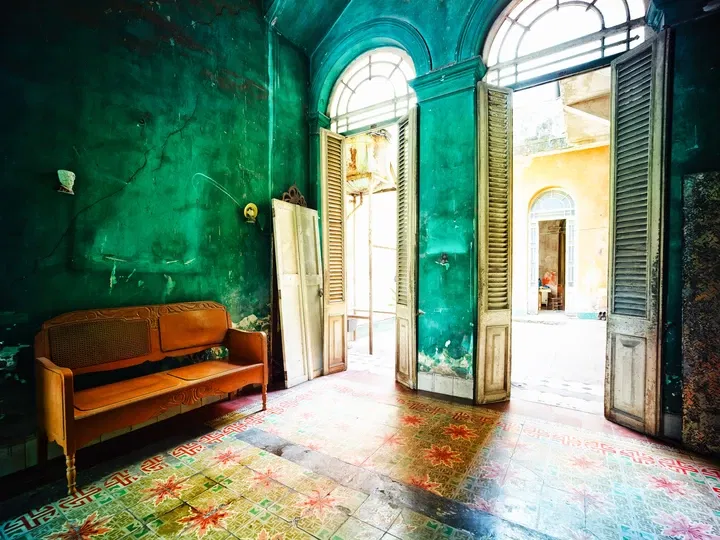
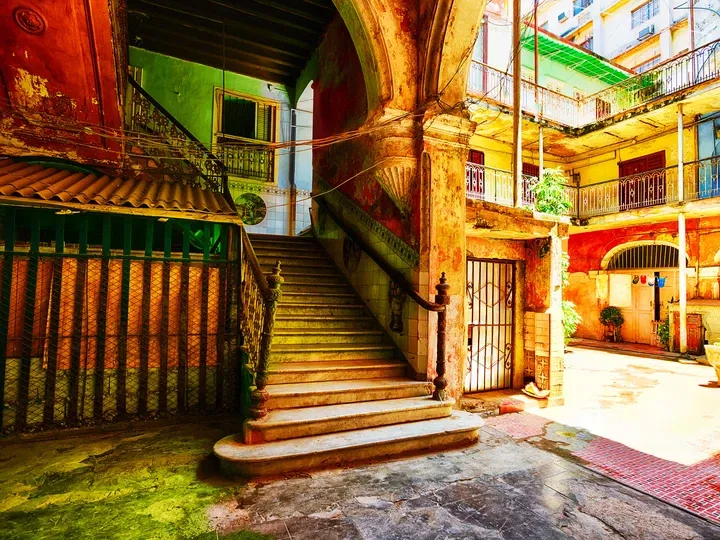
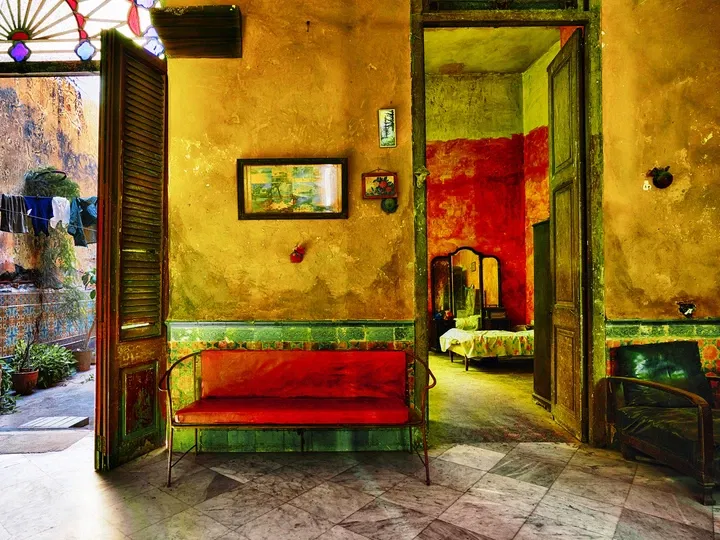
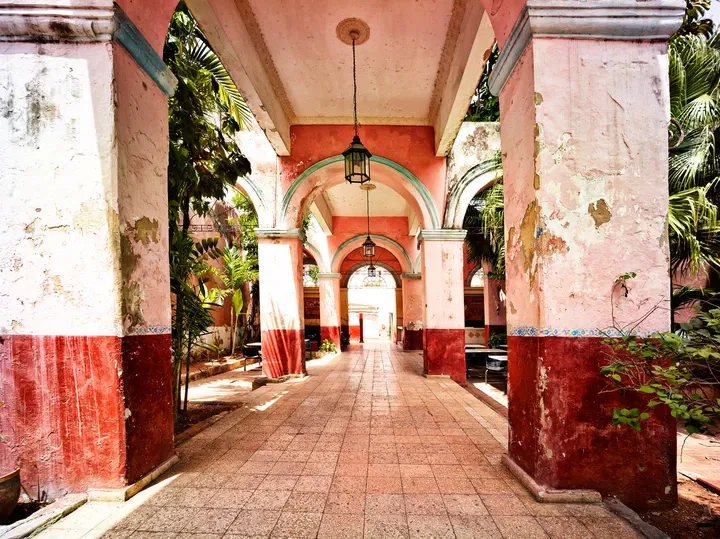
Werner Pawlok photographs places as though they had a memory of their own. His images reveal what has accumulated within walls, among people and across landscapes: past and present, splendour and… Read more
Bio Exhibitions Interview

| 1953 | Born in Stuttgart, Germany |
| 1977-78 | Lecturer at Academy of Arts, Stuttgart, Berlin |
| 1980 | Founder of the first gallery for photography in south Germany |
| 1988-89 | First Studio in New York, USA |
| Lives and works in Stuttgart, Germany |
| 2021 | Master Pieces, MAC 2 Museum Art + Cars, Singen, Germany |
| 2018 | Master Pieces, Grand Basel, Basel, Switzerland |
| Cuba – expired, Lumas Gallery, Singapore; Melbourne, Australia | |
| 2016 | Cuba – expired, Lumas Gallery, Singapore; Dubai, UAE, Berlin, Germany; Vienna, Austria |
| 2015 | Cuba – expired, Lumas Gallery, Moscow, Russia; Riga, Lettland; Mailand, Italy, Salzburg, Austria |
| 2014 | Cuba – expired, Lumas Gallery, Amsterdam, Netherlands; Paris, France, Dusseldorf, Germany |
| 2013 | Cuba – expired, Lumas Gallery, London, UK Five Days Paris, Rolls Royce London, London, UK views – faces of literature, Art Week Hamburg Brahms Kontor, Hamburg, Germany |
| 2012 | Werner Pawlok Fotografien, Kunsthalle Messmer, Riegel, Germany views – faces of literature, Literaturhaus Stuttgart, Stuttgart, Germany |
| 2010 | moving cities, G3 Gallery, Hamburg, Germany |
| 2009 | Werkschau / Retrospektive, Galerie Andreas Baumgartl, Munich, Germany |
| 2007 | Views - faces of literature, Porsche, Stuttgart, Germany |
| 1999 | Dantes Commedia, Galerie Tobias Hirschmann, Frankfurt, Germany |
| 1998 | Master Pieces, Museum of Modern Art, Ljubljana, Slovenia |
| 1997 | Dantes Commedia, Galerie Benden + Klimczak, Cologne, Germany Master Pieces, Art Festival, Birmingham, USA |
| 1996 | Transfers, Gallerie Raab Boukamel, Lonodn, UK; Contemporary Art Gallerie Zurich, Switzerland |
| 1994 | Crying Animals, Galerie Hans Mayer, Dusseldorf, Germany |
| 1993 | Stars & Paints, Musée de l’Elysée, Lausanne, Switzerland Transfers, Second Photobienale India, Neu Dheli, India |
| 1992 | Master Pieces by Mercedes-Benz (tour opening), Mercedes-Benz Museum, Stuttgart, Germany Transfers, Musée de l’Elysée, Lausanne, Switzerland |
| 1991 | Photography Paintings, Fotografie Forum, Frankfurt; Kulturverein Zehntscheuer Rottenburg; Forum Böttcherstraße Bremen; Kunstverein Heidelberg, Heidelberg; Städtische Galerie Erlangen, Photogalerie Bordenau, Neustadt; Galerie 6x7, Mainz, Germany; Kunsthalle Innsbruck II, Innsbruck, Austria |
| 2022 | Galerie Stihl, Gunter Sachs Kamerakunst, Waiblingen, Germany |
| 2021 | Warum denn in die Ferne... oder In 18 Büchern..., Kunstverein Esslingen, Esslingen, Germany LOOK!, Museum Marta Herford, Herford, Germany |
| 2019 | Daguerreotypie, Autochrom, Polaroid.1/1“ , Pushkin Museum of Fine Arts, Moscow, Russia Persona, Estudio Pablo de Lillo, Oviedo, Spain Gunter Sachs Kamerakunst, Kunsthalle, Schweinfurt, Germany |
| 2015 | Le Bord de Mondes, Palais de Tokyo, Paris, France |
| 2014 | Blütezeit, Kunstsammlung DZ Bank, Frankfurt, Germany |
| 2013 | Sammlung Gunter Sachs, Kunsthalle Schweinfurt, Schweinfurt, Germany Leigh Bowery, Otherness, Espace Culturel Louis Vuitton, Paris, France |
| 2012 | XTRAVAGANZA, Staging Leigh Bowery, Kunsthalle Vienna, Vienna, Austria Polaroid, The Finnish Museum for Photography, Helsinki, Finnland |
| 2011 | Photography in the fast lane, Galerie der Stadt Sindelfingen, Sindelfingen, Germany Light my fire, Nimbus Group Mock-up, Stuttgart, Germany Psychadelic Record Sleeves, Duncan Smith Gallery, Stuttgart, Germany |
| 2009 | Australia‘s Bushfire Exhibition, McCulloch Gallery, Melbourne, Australia 25 Jahre Fotoforum Frankfurt, Fotoforum Frankfurt, Frankfurt Germany |
| 2008 | The big picture I + II, Oliver Gordon Gallery, Toronto, Kanada |
| 2006 | Accrochage, Gallery Andreas Baumgartl, Munich, Germany |
| 2003 | Photography in Advertising, Design Center, Malmö, Schweden |
| 2000 | Images Beyond the naked eye, Museo, Den Haag, Niederlande |
| 1998 | Augenlust, Kunsthaus, Hanover, Germany |
| 1996 | Rosen, Tulpen, Nelken, Gallery Tobias Hirschmann, Frankfurt, Germany; Contemporary Art Gallery, Zurich, Switzerland natur¿, Kunst- und Ausstellungshalle der Bundesrepublik Deutschland, Bonn, Germany Liebe und Poesie, Gallery Tobias Hirschmann, Frankfurt, Germany |
| 1993 | Milk Glas, Chicago Athenaeum Museum of Design, Chicago, USA Columbus / Artists United for Nature, Sony Headquater, Tokyo, Japan |
| 1991 | Coulour, Hamilton ́s Gallery, London, UK Das Goldene Zeitalter, Württembergischer Kunstverein, Stuttgart, Germany |
When did you become interested in art? How did it all begin?
For me, art is first and foremost a feeling. I see art as life, not as galleries, collectors, money, etc. Every day brings new experiences which resonate with me and eventually transform into energy, which I use to create images. I’ve experienced this feeling since youth and not much has changed since. It all began with a camera that my parents gave me as a birthday present when I was little. For me this was a direct way to transform observations into pictures.
How would you describe your work process?
Generally, my work process is always different. It depends on the specific project I’ve chosen. Before I start a series, I decide which technical equipment I'm going to use – and, at this stage, I question whether any new technology is available that I’d like to incorporate into my process. I love the risk involved and how it keeps things new and interesting. It’s important for me to fully understand the work process so that I can implement it properly an achieve my vision.
Who inspires you?
During a recent trip to Venice, I had the opportunity to see the Uncertainties Installation in the Spanish Pavilion at the Architecture Biennale, and I was quite impressed. The floor-to-ceiling exhibition, created using thousands of pieces of paper related to the pandemic and the Spanish real estate bubble, maintains a sense of lightness despite its density. It was created by Itzar Okariz and Sergio Prego.
Which artists/works of art are you particularly impressed with at the moment?
Classic photographers never fail to impress me. Man Ray, Erwin Blumenfeld and Irvin Penn, to name a few.
What distinguishes a good work of art?
If I am satisfied with the result of my creative process and of course, if it is appreciated by exhibition visitors. When I actually see my pictures hanging in museums such as the Palais de Tokyo, the Espace culturel of Louis Vuitton, the Musée de l'Elysée in Lausanne, or the Kunsthalle in Vienna, it is a nice confirmation of my work.
What project are you working on at the moment?
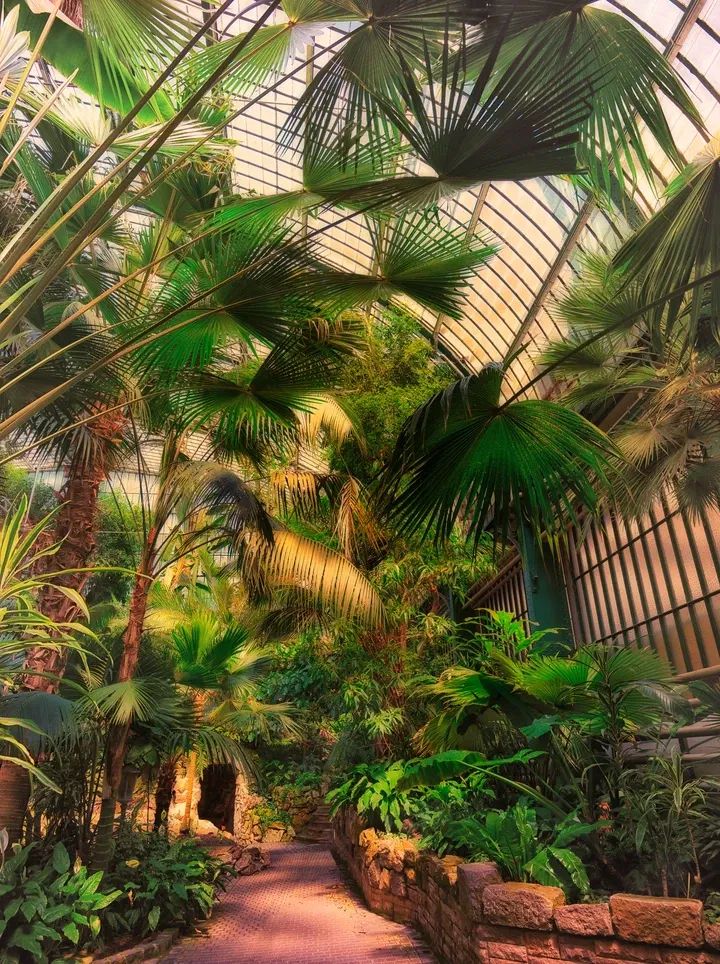
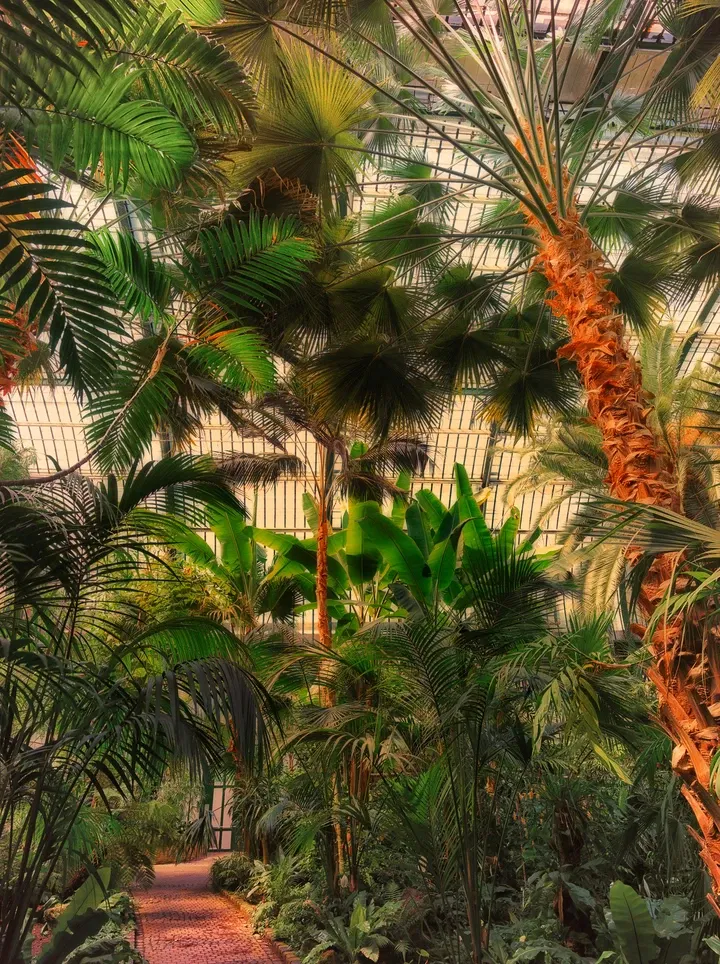
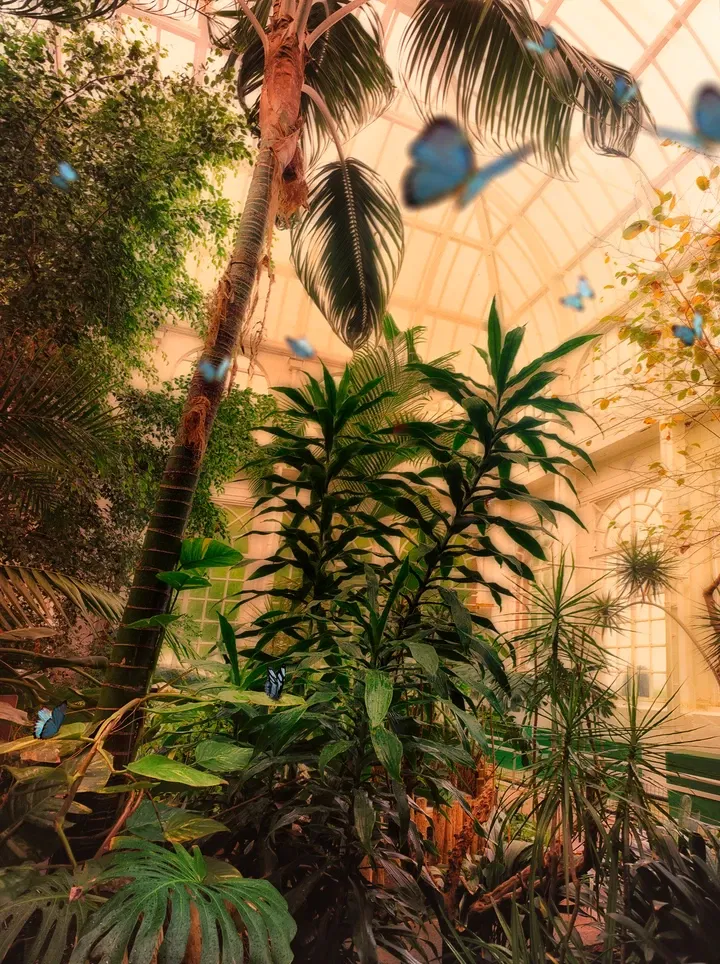
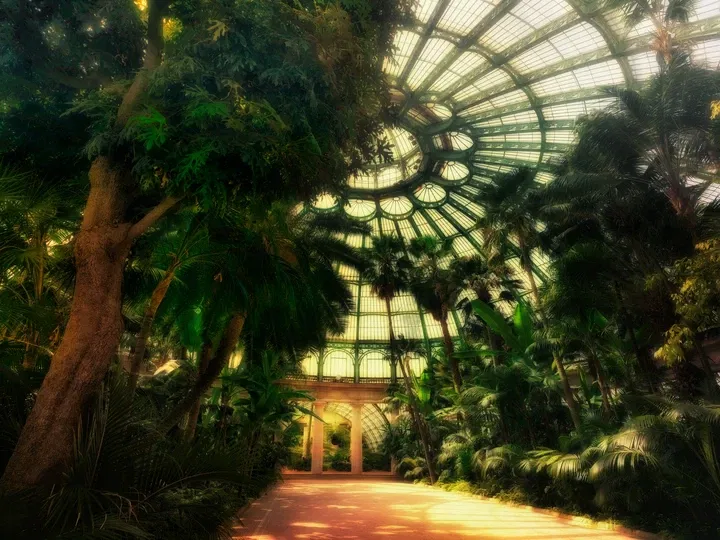
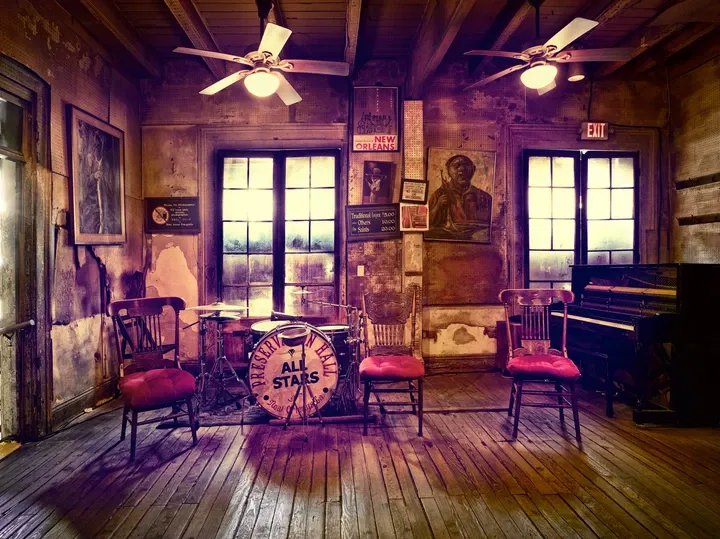
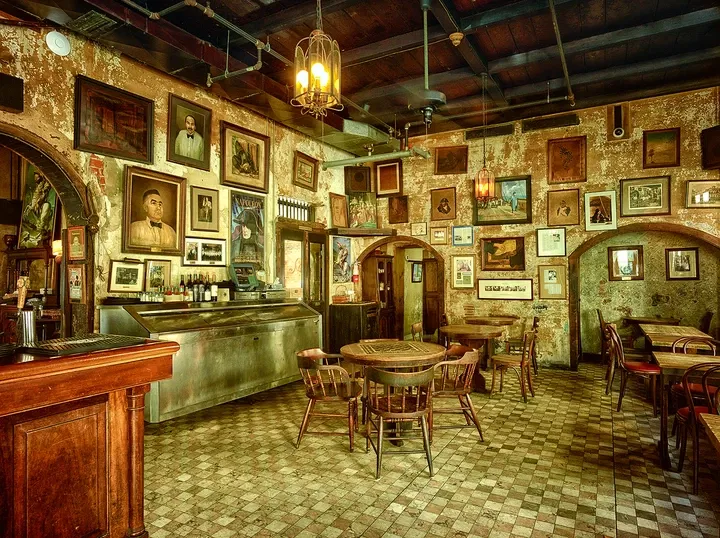
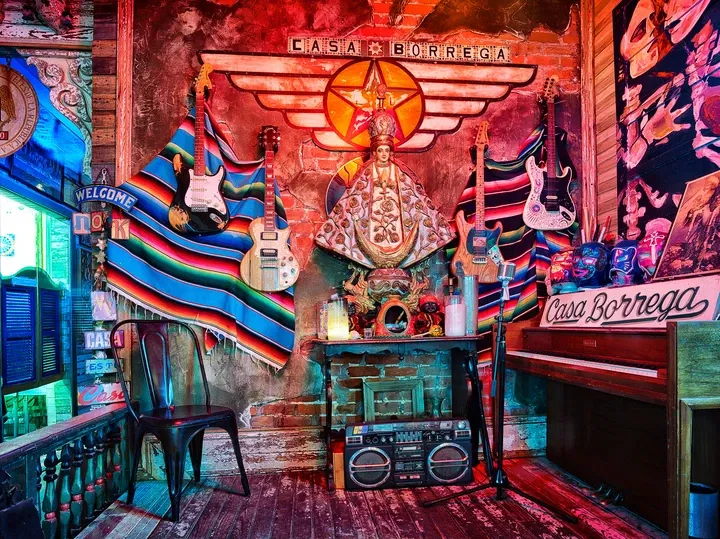
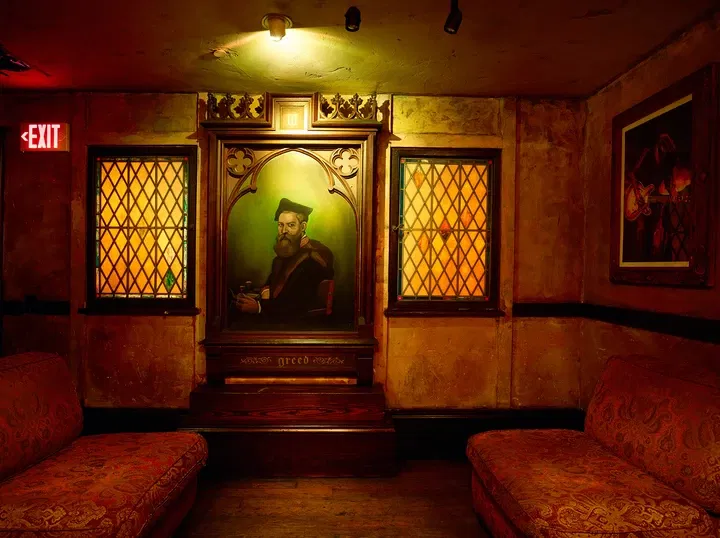
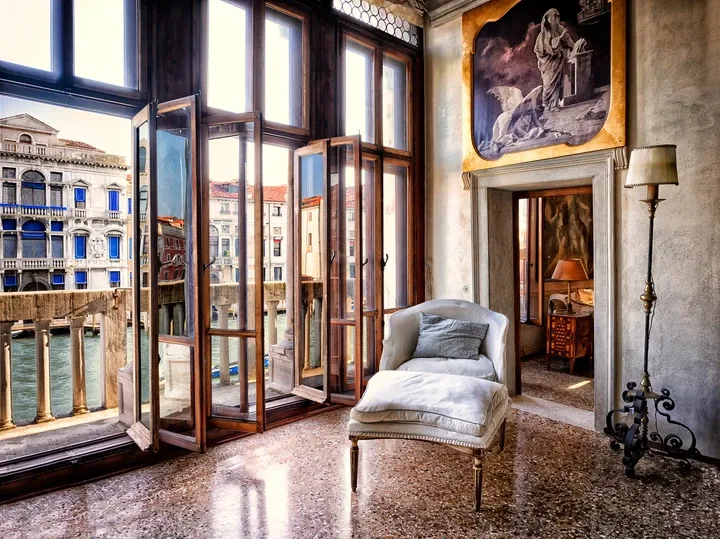
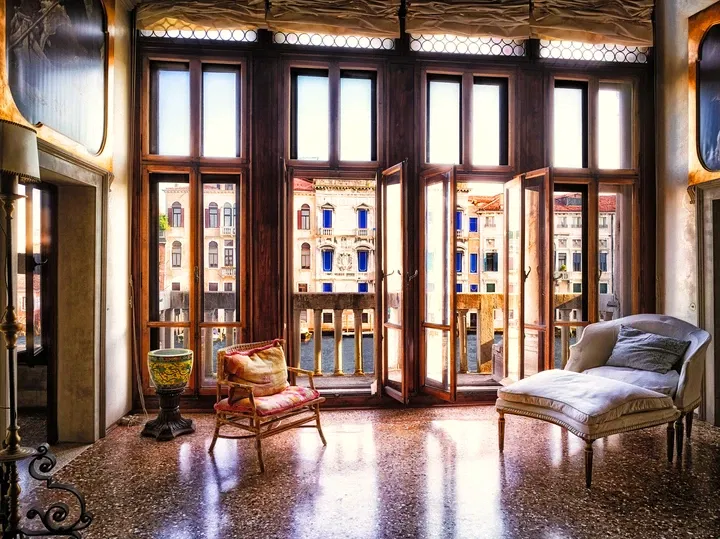
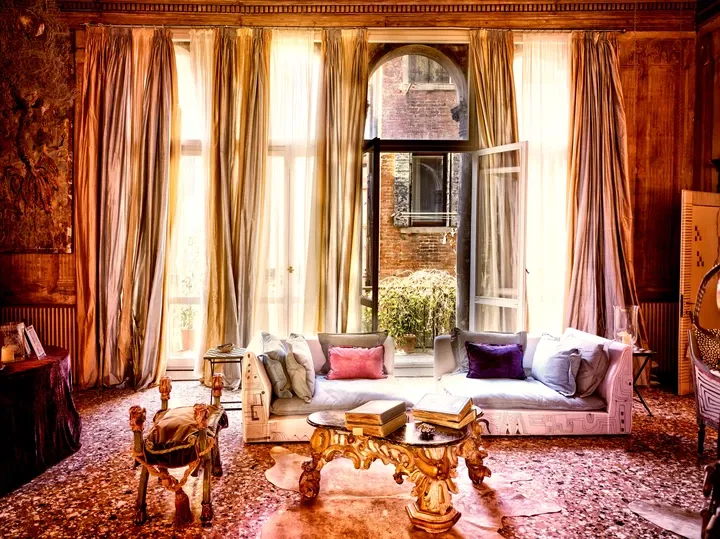
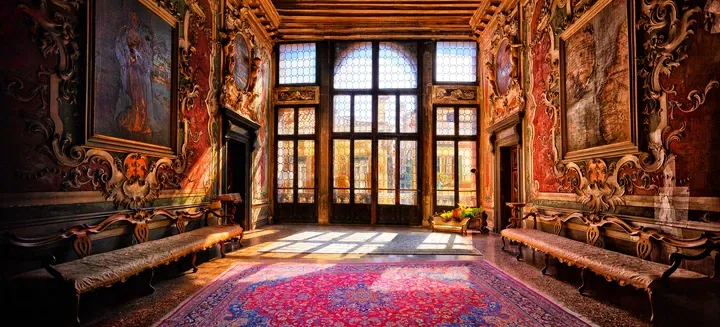
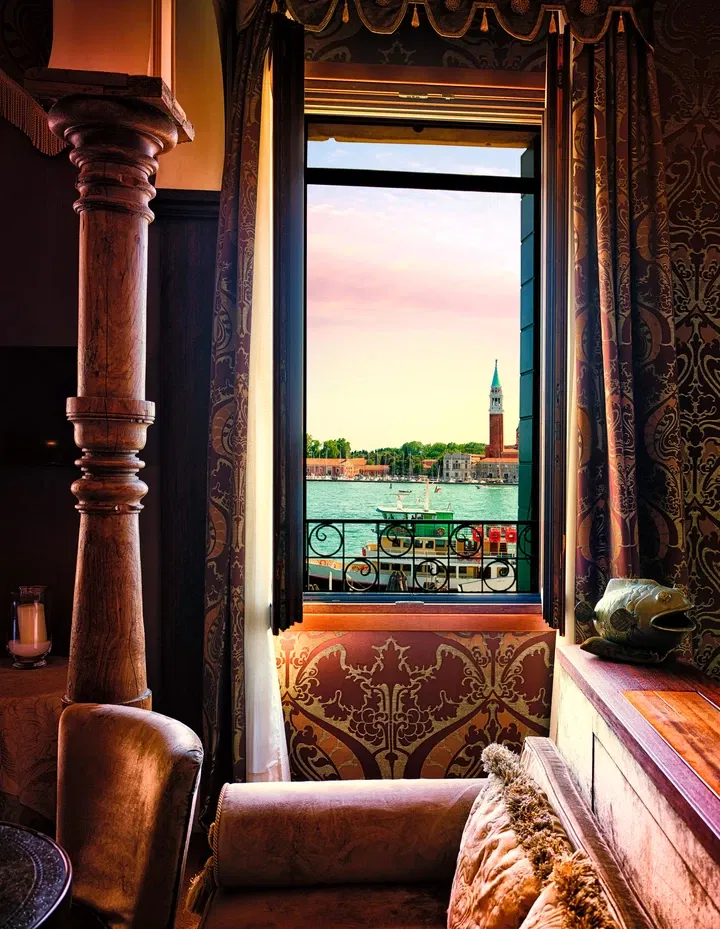
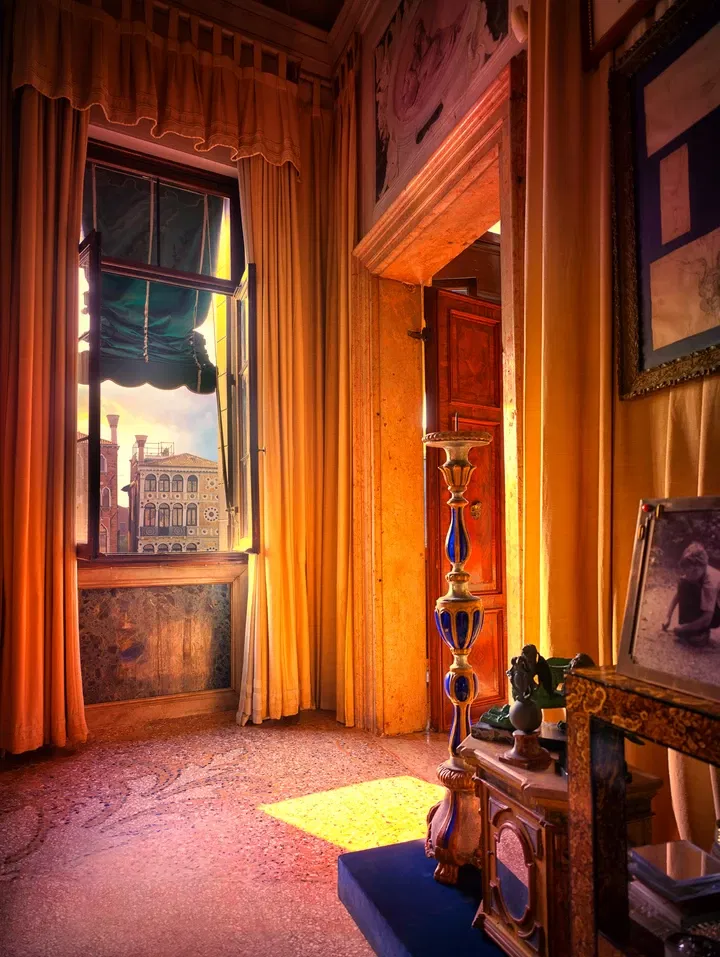
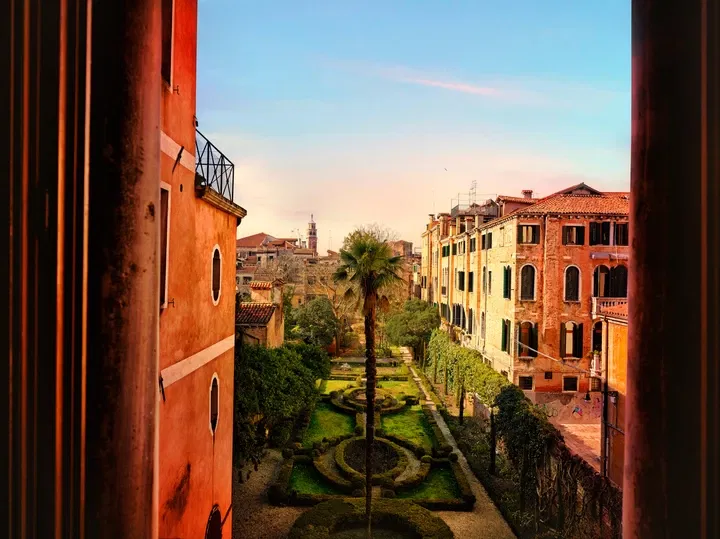
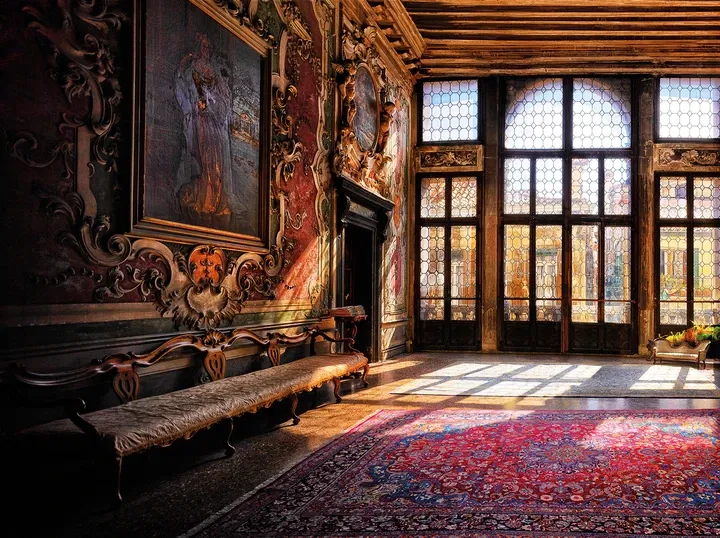
I am currently working on my new book New Orleans UNDERCURRENT. Now that my last two books have been completed – Dimore Veneziane, my photographic love letter to Venice, and the book Greenhouses CATHEDRALS FOR PLANTS, a journey through Europe to the most beautiful glasshouses – New Orleans is completely mesmerizing me. It is undoubtedly one of the most fascinating cities in the United States. The vibrant metropolis of the South is rich in history, culture and culinary delights. Experiencing its unique atmosphere is an adventure for all the senses. It gives me great pleasure to write a book about it.
What is the purpose of art?
Above all, to inspire!
Does art bring about happiness?
It is not art, but life that should make one happy, and art is an essential part of life!