Introduction
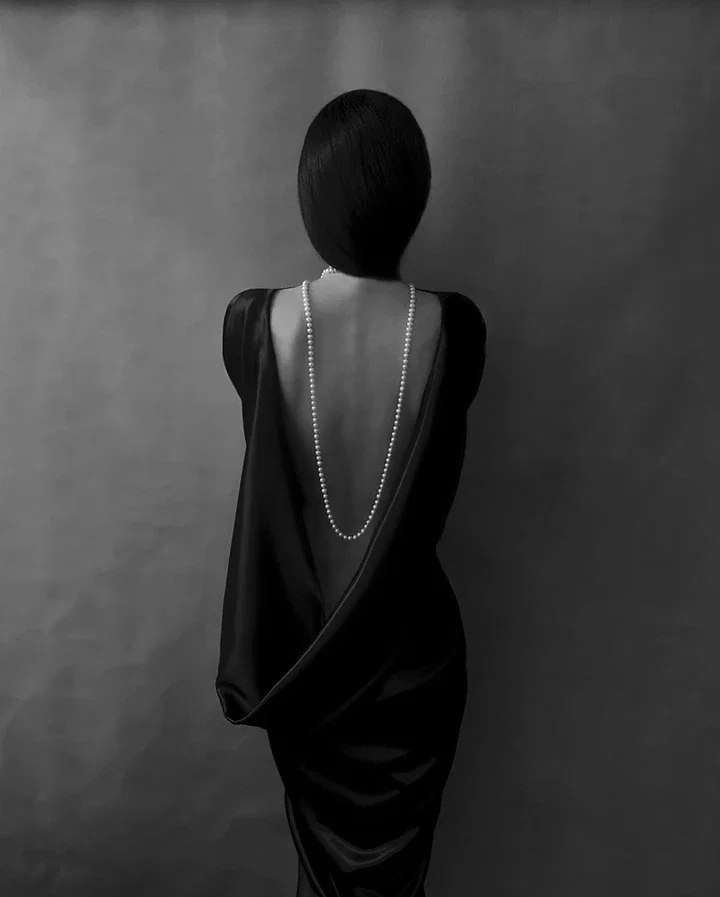
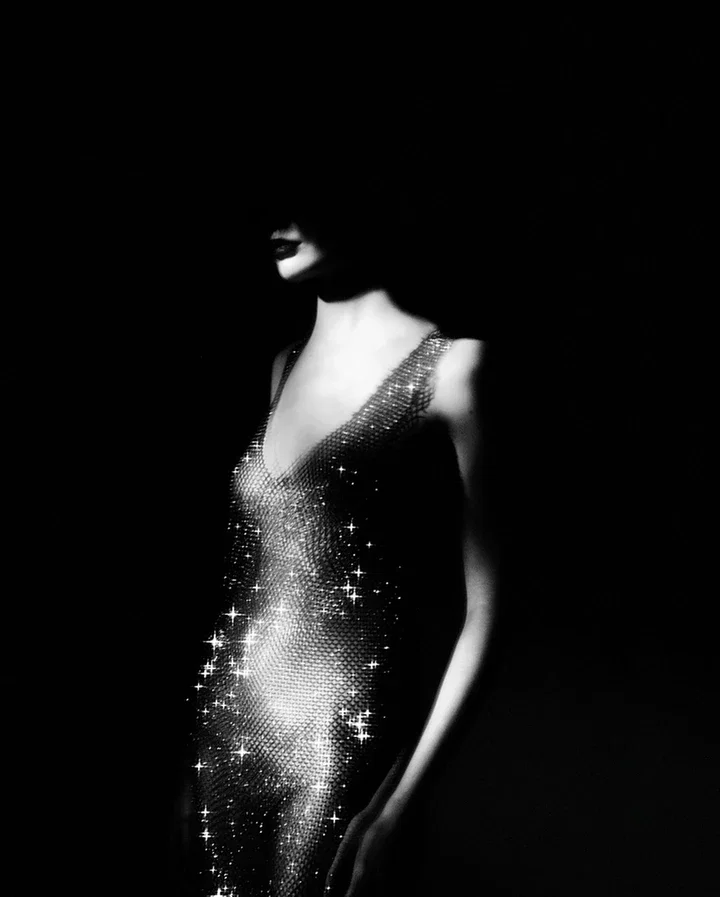
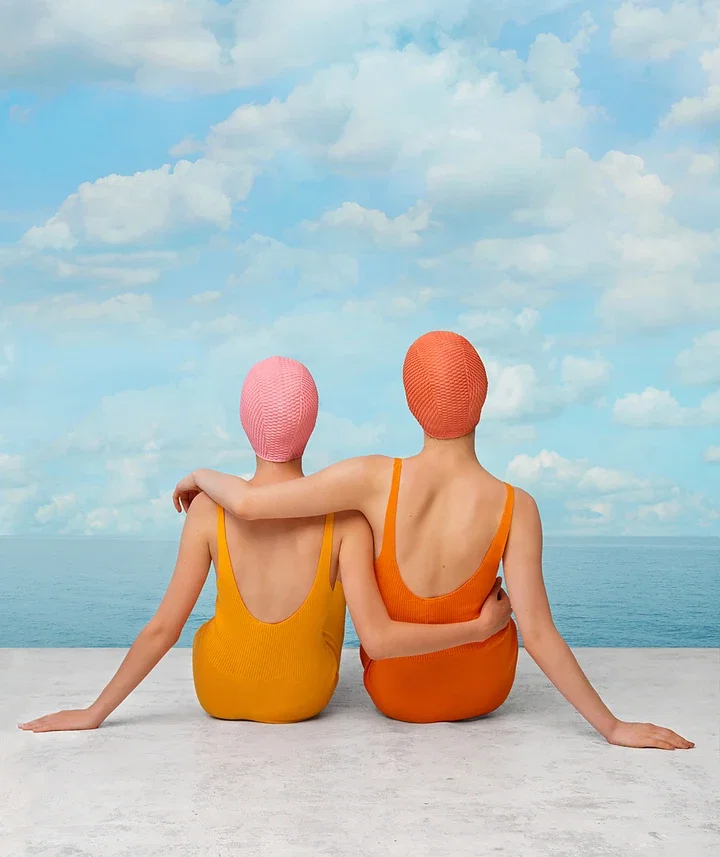
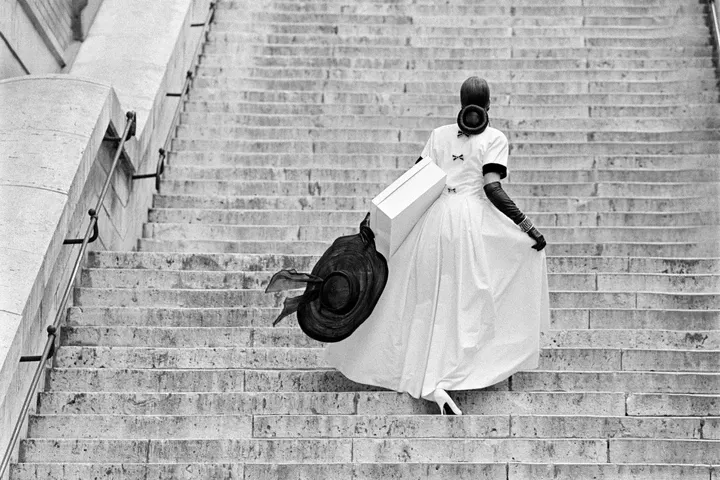
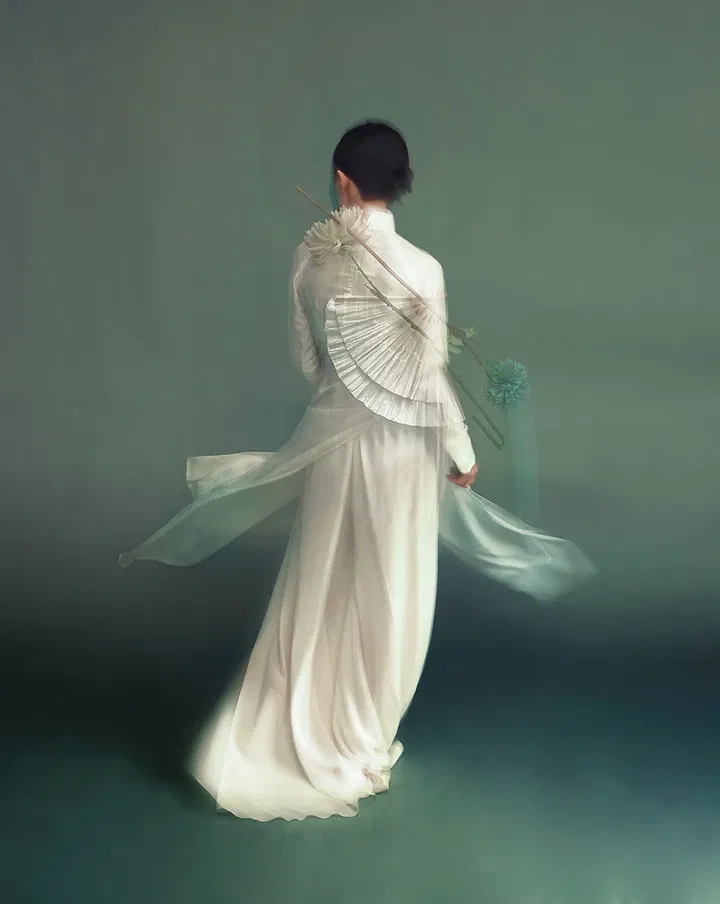
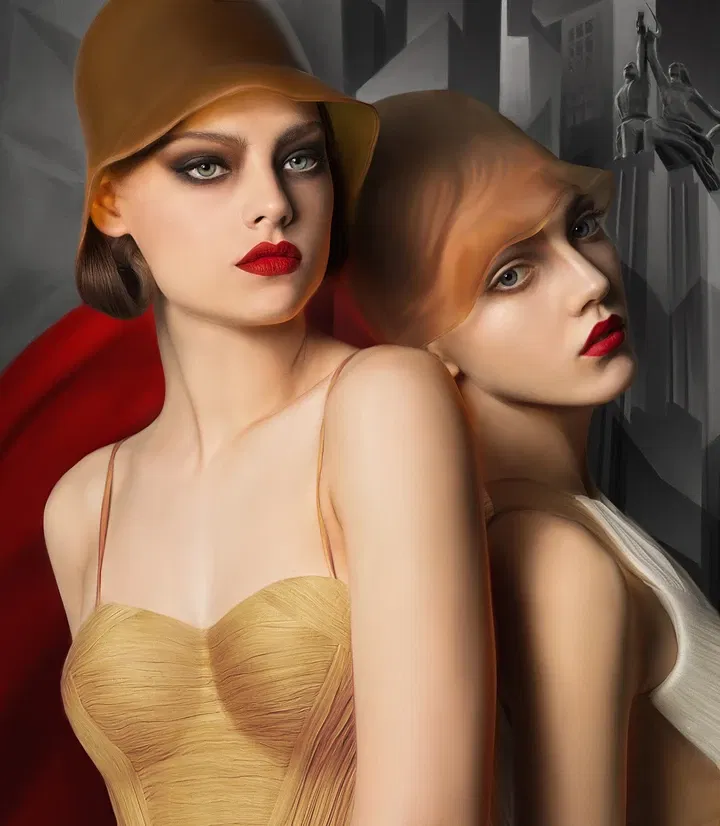
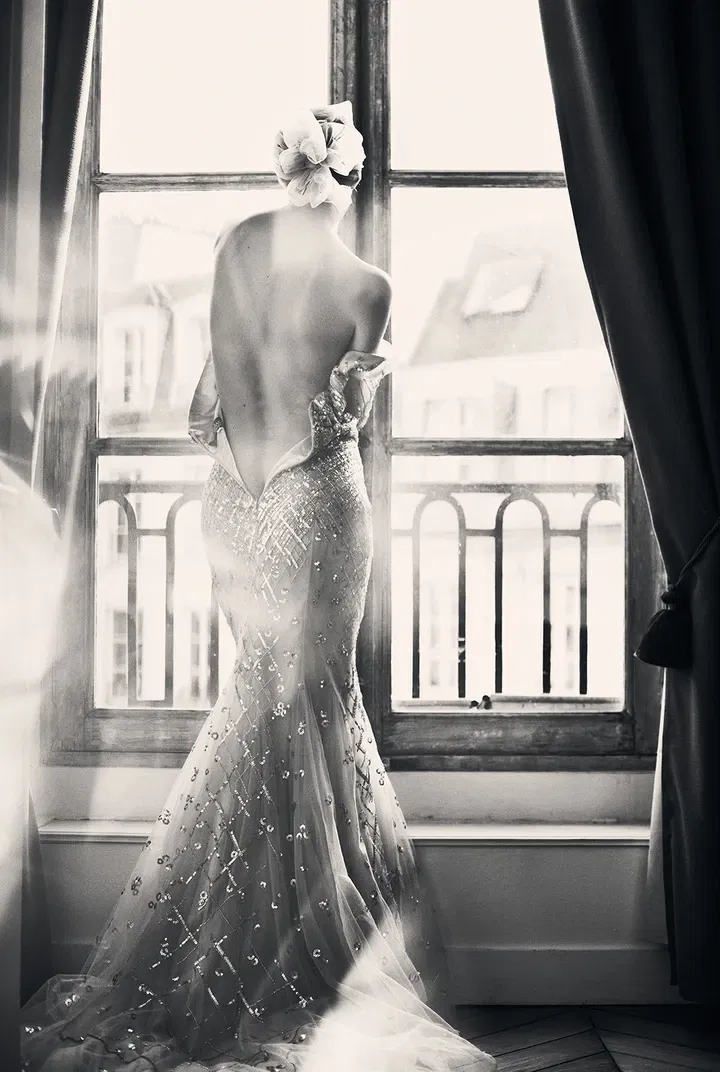
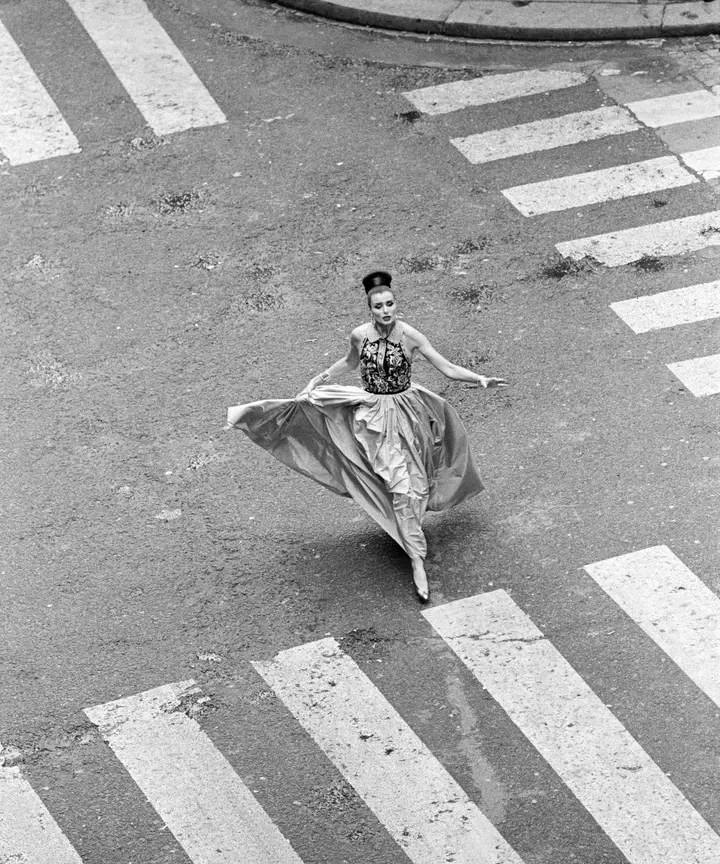
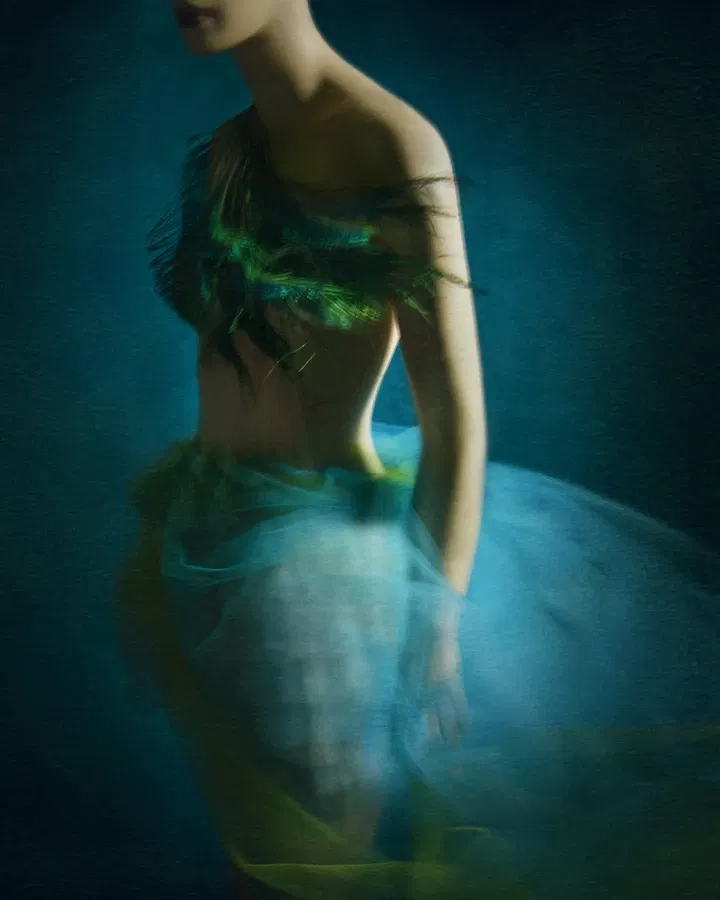
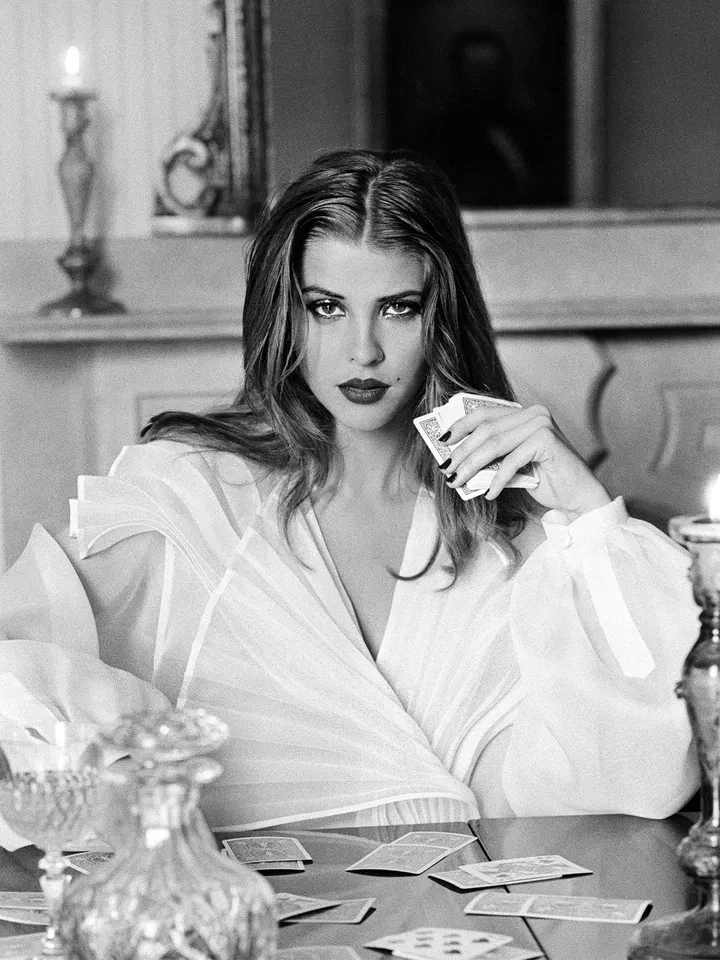
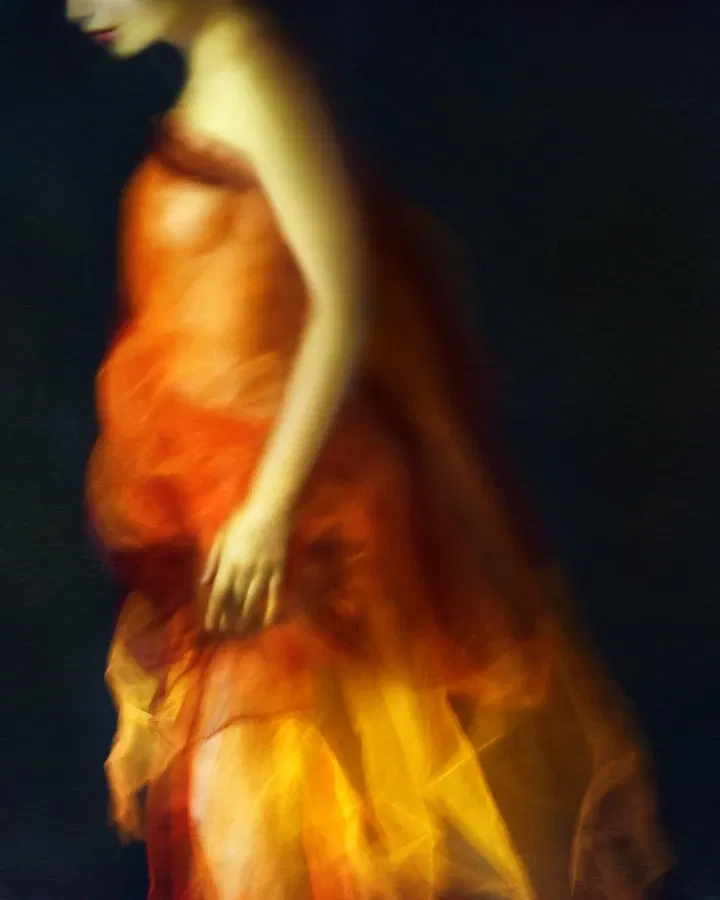
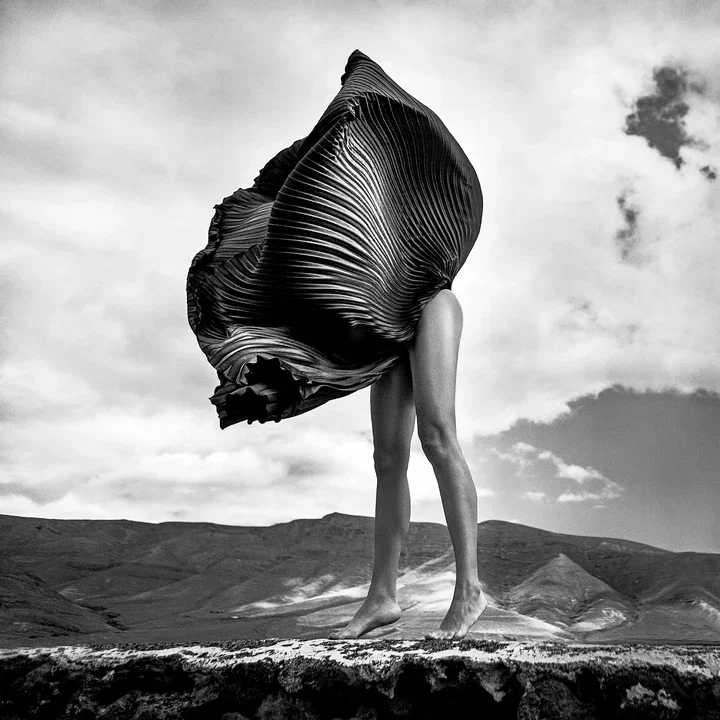
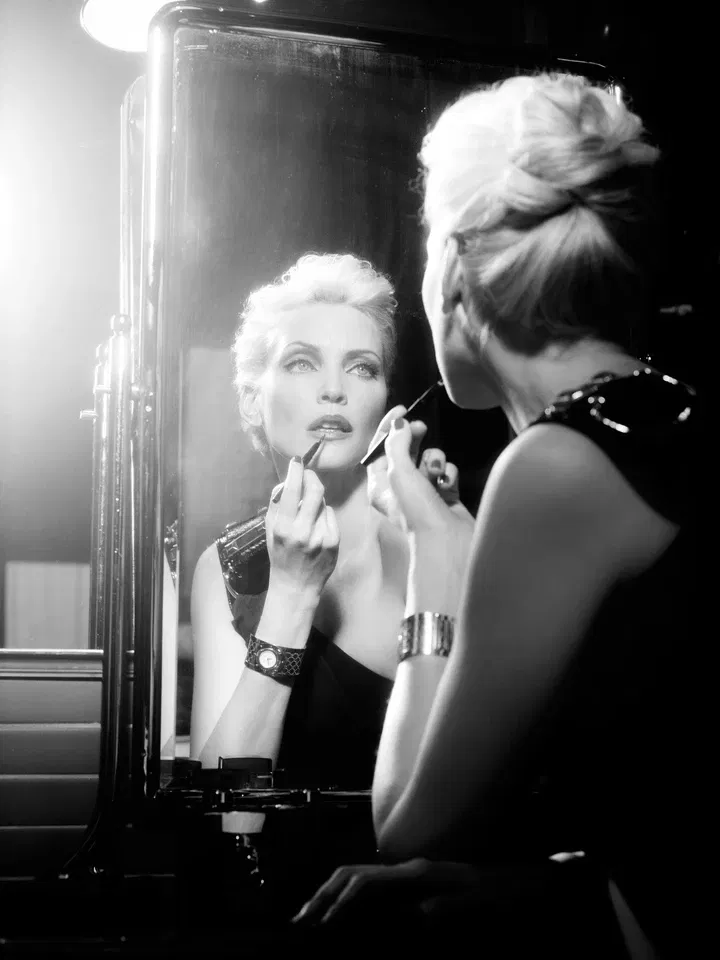
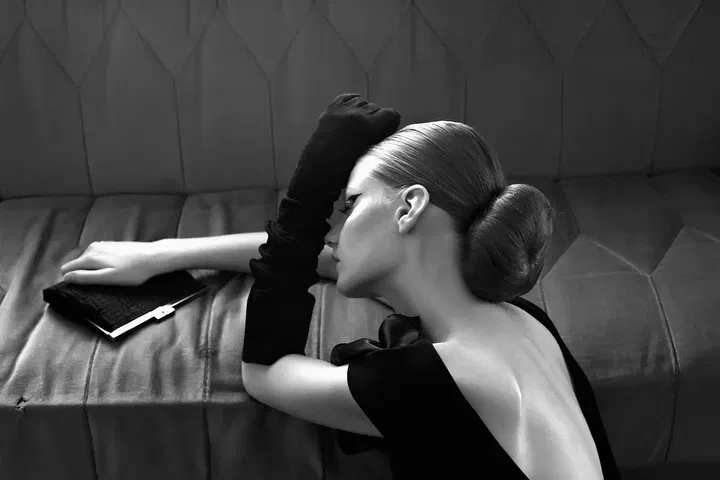
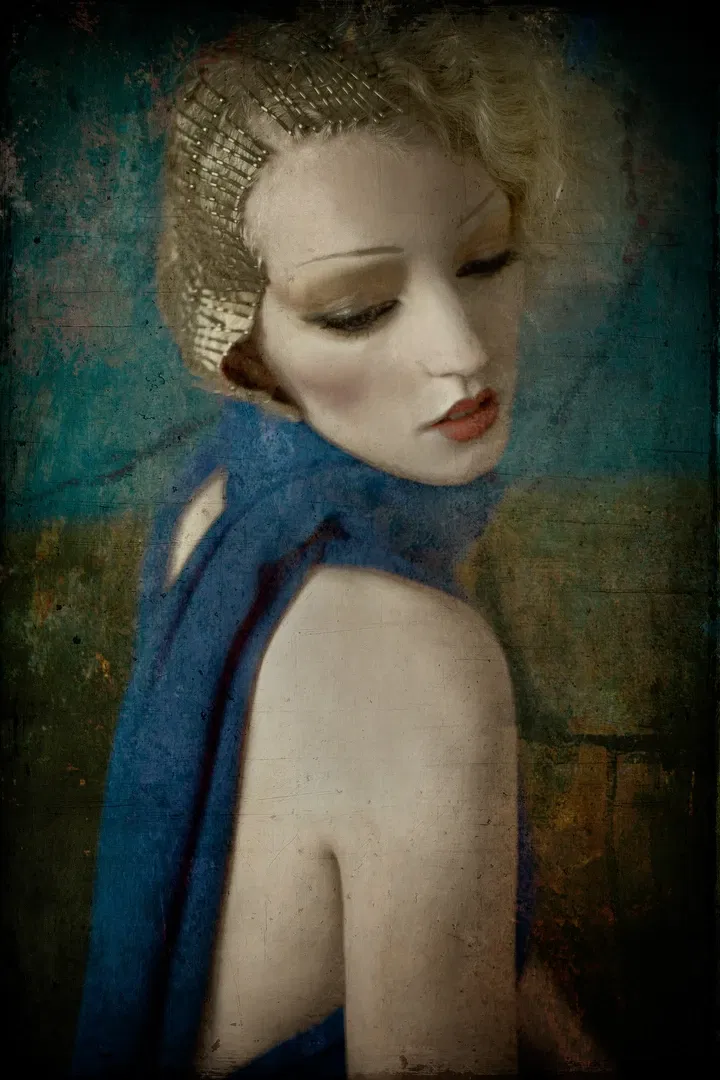
Olivia Mazzola’s photography unfolds within an in-between space—between clarity and dissolution, presence and suggestion. Her monochrome portraits allow elegance to dissolve into abstraction, consciously distancing themselves from the documentary. Rather than portraying individuals, she opens image spaces in which femininity remains fluid, timeless, and unresolved.
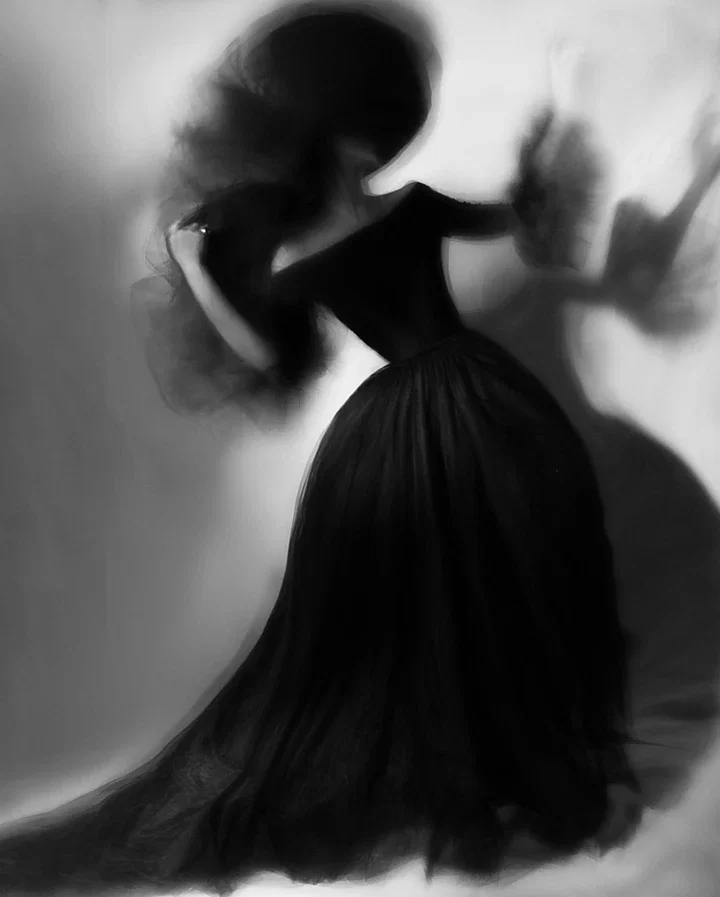
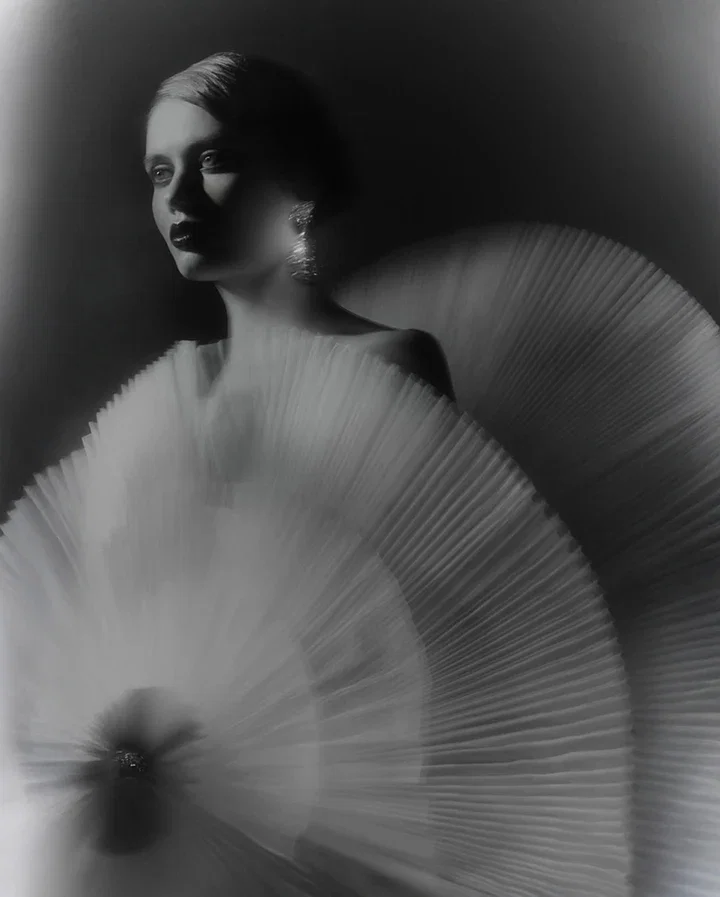
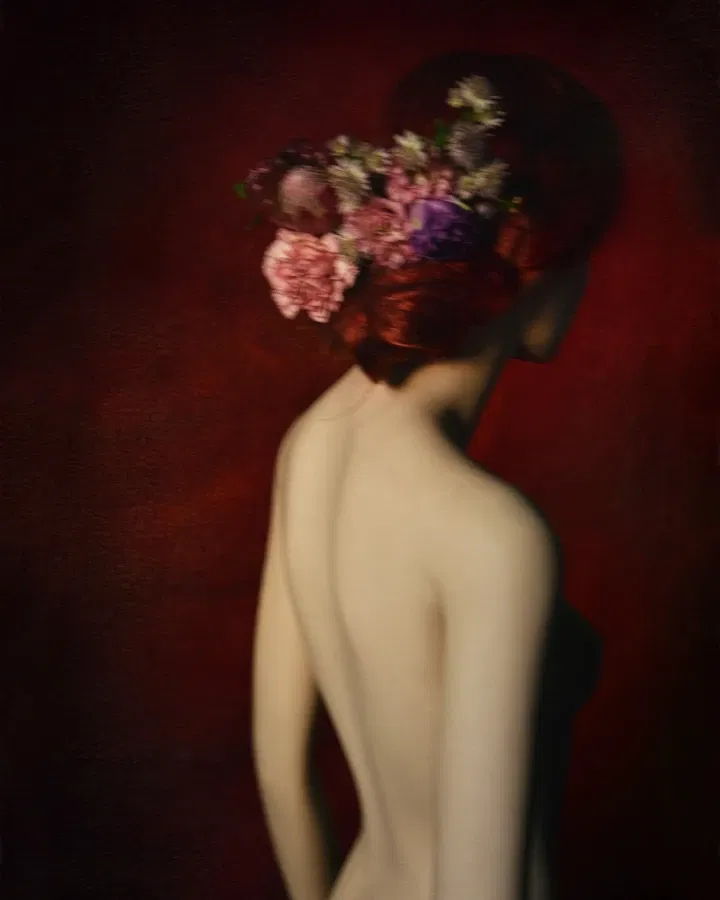
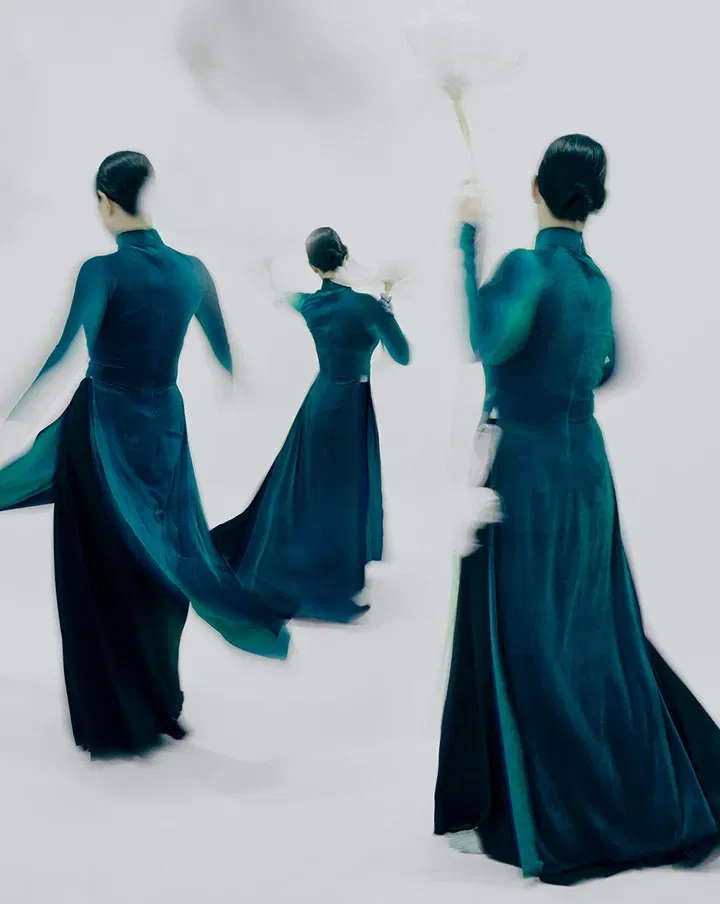
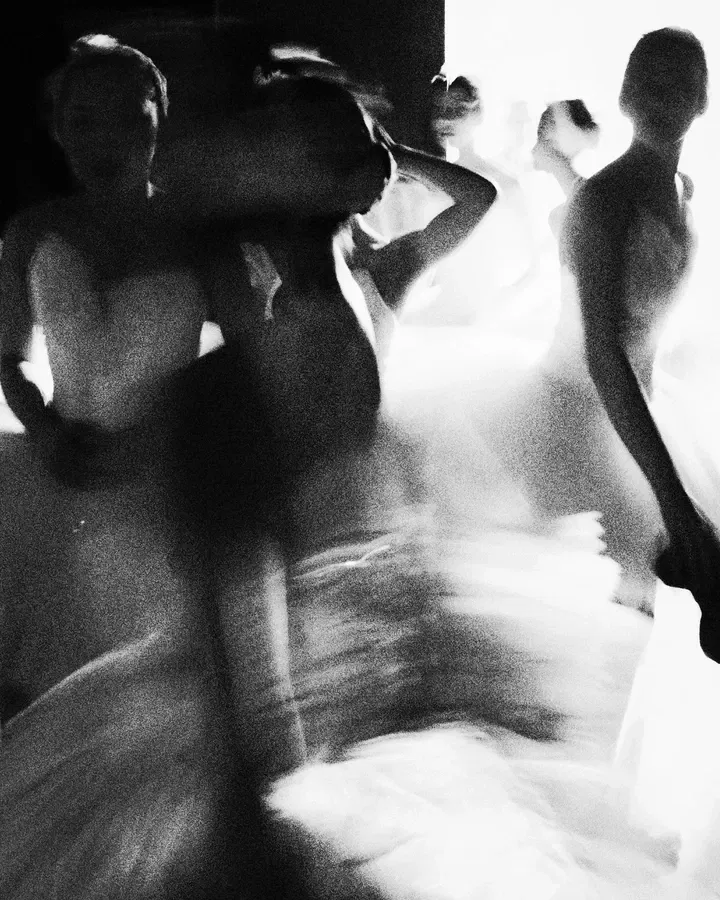
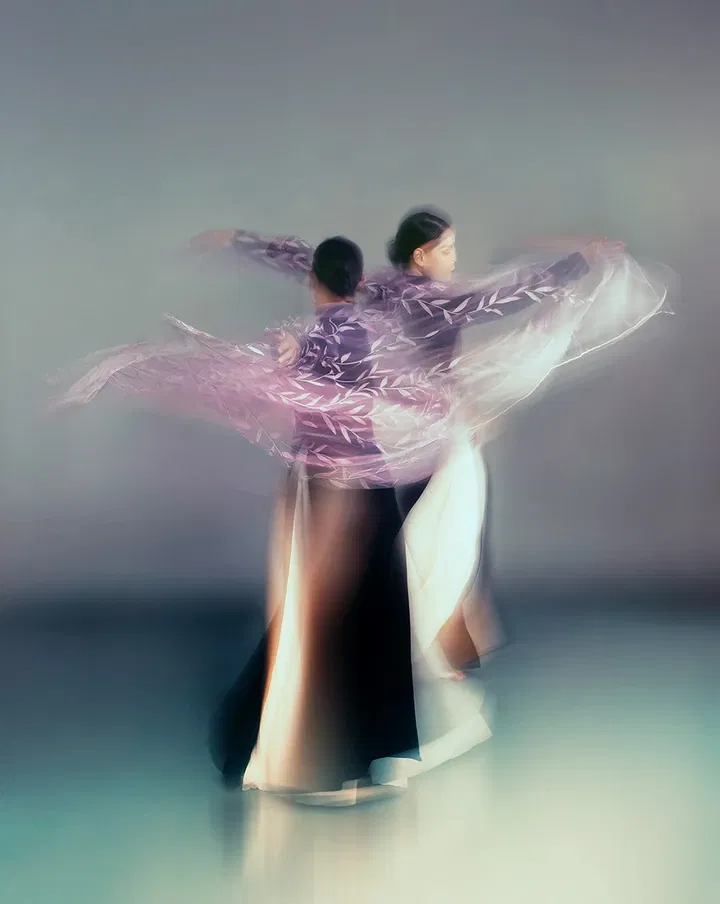
At the core of her practice lies the tension between stillness and movement. Through blur, deep shadows, and a precise orchestration of light, images emerge in which details are not disclosed but quietly surface. Light acts not only as a formal element but as a narrative force—receding the visible and granting space to what remains concealed. Mazzola seeks the moment in which the subject exceeds itself: a silhouette of memory, an image beyond fixed legibility.
Her visual language is informed by the concept she coined, Eramnesía—the sensation of being born in the wrong time, a longing for a past never lived. Photography becomes, for Mazzola, a site of imagined temporality: a space in which figures appear both present and distant, as if drawn from a dream.
Technically, she works with light painting, long exposures, deliberate camera movement, and multiple or double exposures. These processes are not accidental but the result of rigorous preparation and physical engagement. Each photograph is singular and irreproducible—formed through the convergence of control and unpredictability.
Alongside her autonomous artistic practice, Mazzola also works professionally as a photographer. Her experience as an award-winning wedding photographer—marked by a discreet, documentary sensibility and a refined sensitivity to atmosphere—resonates subtly within her art. The focus is not on the event itself, but on the emotion that endures.
Olivia Mazzola’s works resist hurried viewing. They call for pause, opening a quiet, intuitive dialogue between image and viewer. Elegance here is not a stylistic gesture, but a state—fleeting, vulnerable, and sustained by a subdued intensity.
Bio
Olivia Mazzola is a Milan-based visual artist and photographer, trained at IED – Istituto Europeo di Design. Her work brings together fine art portrait photography with light painting, long exposures, deliberate camera movement, and multiple and double exposures. Her work has been exhibited and recognized internationally, including at the Julia Margaret Cameron Awards, the Pollux Awards, and the International Photography Awards. Her photographs have been published in Vogue, L’Oeil de la Photographie, and Condé Nast Traveler.
Awards
2025 3rd Place — People: Fashion & Beauty, ND Awards
2025 2nd Place — Portrait/Fine Art, International Photography Awards
2025 Winner — All About Photo, Issue 48 (Portrait Photography)
2025 Bronze Winner — Refocus Awards (Black & White Photo Award Contest
2025 2nd Place — Best Photography Awards
2024 2nd Place — Minimalist Photography Awards, September 2024
2023 Winner — Julia Margaret Cameron Awards, Portrait Category
2023 Winner — The Pollux Awards, Black & White Category
2023 People’s Award Winner — Refocus Awards, Black & White Category
2022 1st Place — Autoportrait Photo Contest, Mind Progetti Fotografici
Exhibitions
2025 Faces – A Tribute to Maurizio Galimberti, Group Exhibition, Milan, Italy
2025 Minimalist Photography Awards Exhibition — Group Exhibition, Bergen, Austria
2024 Pollux Awards – Winners Exhibition — Group Exhibition, Barcelona, Spain, November 2024
2024 Montecchio Fotografia – “La luce scritta” — Group Exhibition, Montecchio, Italy,
2023 Imagenation New York — Collective Exhibition, New York, USA
2022 Imagenation Paris — Group Exhibition, Paris, France
2022 Onda Nuova — Online Exhibition curated by Maria Cristina Brandini (Giovanni Gastel’s curator), Italy
2021 Imagenation Milan — Group Exhibition, Milan, Italy
Interview
Picasso once said, “You don’t make art, you find it.” Where do you find your art?
I truly find art everywhere, but especially in my dreams. I have a vivid imagination and I am very curious by nature. Since I was a child, my grandmother used to read me fairytales; sometimes she would completely make them up on the spot just to help me fall asleep. This daydreaming quality and the desire to escape reality all the time find refuge in my greatest passions: art in general, painting, fashion, watching movies, going to museums, and traveling. They all fuel my creativity, and I believe it is the sum of all these experiences and images impressed in my memory that translates into my eye when I look through my camera lens.
From an idea to its materialization: How do you approach your work?
I always start with an idea in mind, which I translate visually and with words onto a moodboard. Moodboards are truly the most important tool for me to turn my thoughts into a visual idea. I usually work with a team, so this step is fundamental for the execution phase. Weeks before the shoot, I work on every detail so that on the day of the shooting I come prepared. At the same time, I always leave space for instinct to guide me. Since I practice very creative photographic techniques rather than classic ones, I love their unpredictability and allow it to lead me as well.
What is your favorite book?
My favorite book is The NeverEnding Story by Michael Ende.
It is the story of a child who has given up on his imagination, and of a book that teaches him how to dream again in order to make the world a better place.
Which artist would you like to have coffee with, and what would you discuss?
If I had to choose an artist who is no longer alive, I would say Giovanni Boldini, a painter of the Belle Époque. I would have loved to visit his studio, watch him paint, have a coffee while discussing his brushstroke technique, and take a portrait of him during one of his portrait sessions.
How did you get into art?
My father was always opposed to me becoming an artist, so for most of my life I worked in communication as a consultant and in the family business. When my father passed away six years ago, I felt very empty and unhappy. I realized that I had to release all the repressed creativity inside me, once and for all, and I decided to apply for a Master’s Program in Photography at IED in Milan. This marked the beginning of my lifelong journey with photography. Photography is my true companion, my obsession, and I will photograph until the last day of my life, because I regret every day losing time and being forced to do something I was not passionate about.
Who are the people in your surroundings that influence you?
During my Master’s Program at IED, I had a professor who truly helped me through his guidance in the search for my own photographic style. And of course my grandmother—the greatest love of my life—who always supported me despite the difficulties. Even though she is no longer here with me, she is the reason why I photograph today.
Imagine you have a time machine. Where would you go?
If I could travel through a portal, I would love to be transported back as a pioneer photographer to Paris during the Belle Époque and the Pictorialist era. Paris is one of my most inspiring cities, and I would have loved to be a photographer of that time, working only with an optical bank camera and getting to know all the artists I admire from that period.
Other than art, what are you most passionate about?
I have so many passions that it is really hard to choose just one. Painting is definitely one of them, as well as exploring and discovering nature. Since I also paint on my photographs, I am very passionate about finding different ways to connect photography with other media, in order to always create something new and different.
What are you working on right now?
At the moment, I am working on a new color series depicting women and flowers.