


Unfortunately, this artwork cannot be added to the room view.


Emotion over Reality
Expressionist art is defined by a powerful expression of the inner world, made visible on the outside. As a movement, Expressionism shaped not only painting and the visual arts, but also literature and film. Discover this compelling art movement at LUMAS as wall art for your home.



Origins and Forerunners of Expressionism
Characteristics of Expressionism between 1905 and 1914
The End of Expressionism, Abstract Expressionism and Neo-Expressionism
Expressionism Art at LUMAS
Timeline and Key Works of Expressionism
Vincent van Gogh, Paul Gauguin, Edvard Munch and Henri de Toulouse-Lautrec are regarded as forerunners of Expressionism. Edvard Munch's The Scream (1893) is considered the first painting in this new style. The Fauves around Henri Matisse in France are likewise seen as early Expressionists.
Dissatisfaction with bourgeois Naturalism and the perceived superficiality of Impressionism – the dominant movements of the late 19th century – gave rise to new forms of expression. Inner emotional states were to be made visible through wild colours and archaic forms. Influences ranged from African masks to the art of Oceania. The growing urbanisation and mechanisation of working and everyday life also provided a wealth of new impulses.








Expressionism literally means expression. Artists sought new forms of expression that went beyond the pure aesthetics of Art Nouveau or the lightness of Impressionism. Their works were meant to provoke a reaction in the viewer and to break free from realistic representation. In Germany, the artists' group Die Brücke was the driving force behind Expressionism. Its best-known members were Ernst Ludwig Kirchner, Erich Heckel, Karl Schmidt-Rottluff, Otto Mueller and Max Pechstein. The exhibition group Der Blaue Reiter (The Blue Rider), led by Franz Marc, Wassily Kandinsky and Gabriele Münter, carried these new ideas about art further. Franz Marc's blue horses and yellow dogs remain world-famous to this day. August Macke and Marianne von Werefkin are also famous artists of German Expressionism associated with Der Blaue Reiter.
The brushwork of Expressionist art is expressive, angular, abstracted and woodcut-like. Many artists used unmixed colours, applying them straight onto the canvas. The result: vivid colours and boldly colourful paintings. In this way, they hoped to convey emotions such as anger, pain or fear directly. The motif of the city and its inhabitants appears again and again.
The disillusionment of the First World War marks a turning point for Expressionism. It was followed by movements such as New Objectivity, Surrealism art and non-representational currents such as abstract painting. Wassily Kandinsky, for example, soon freed colour from its representational role and gave it a value of its own. Abstract compositions emerged, without motifs such as cities, people or animals. In the mid-20th century, American artists such as Mark Rothko and Jackson Pollock took up this non-representational art once more. The process of painting itself became more important than the result. Rothko's large-format, meditative canvases became known as Colour Field painting, while Pollock's rapid, expressive splashes of paint reveal his Action Painting technique. Together, these currents are known as Abstract Expressionism. From the 1960s onwards, artists returned to a figurative, yet still expressive style of painting – and Neo-Expressionism was born. Its best-known representatives include Georg Baselitz, Keith Haring and Jean-Michel Basquiat. Expressionism continues to resonate to this day.
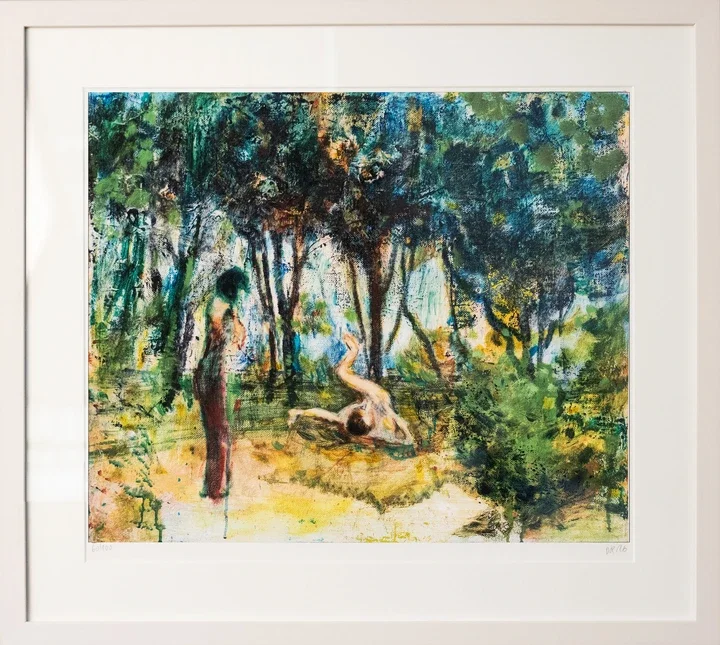
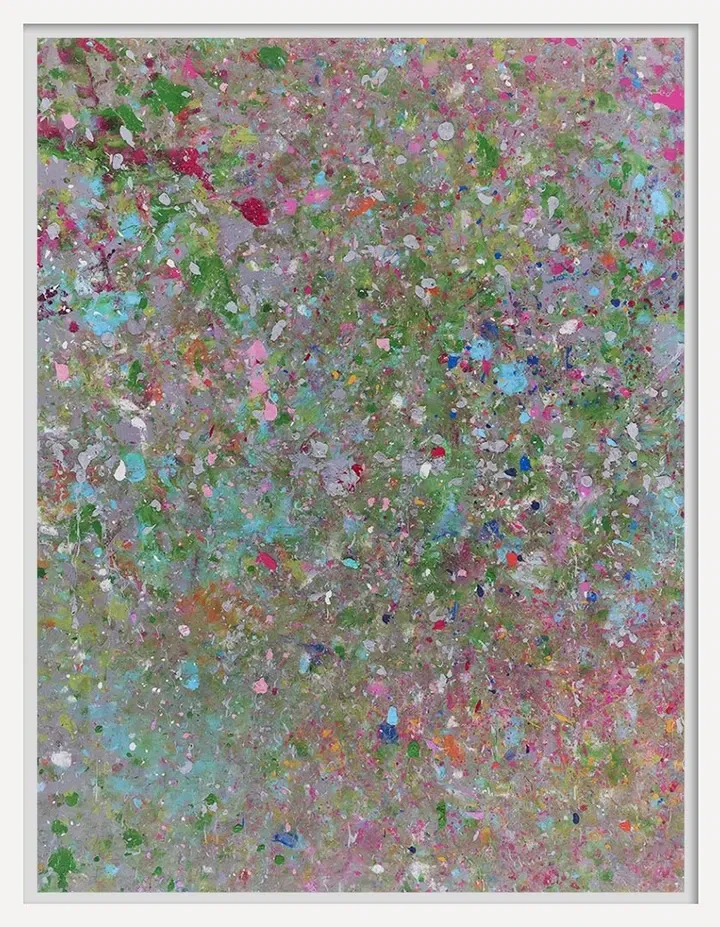


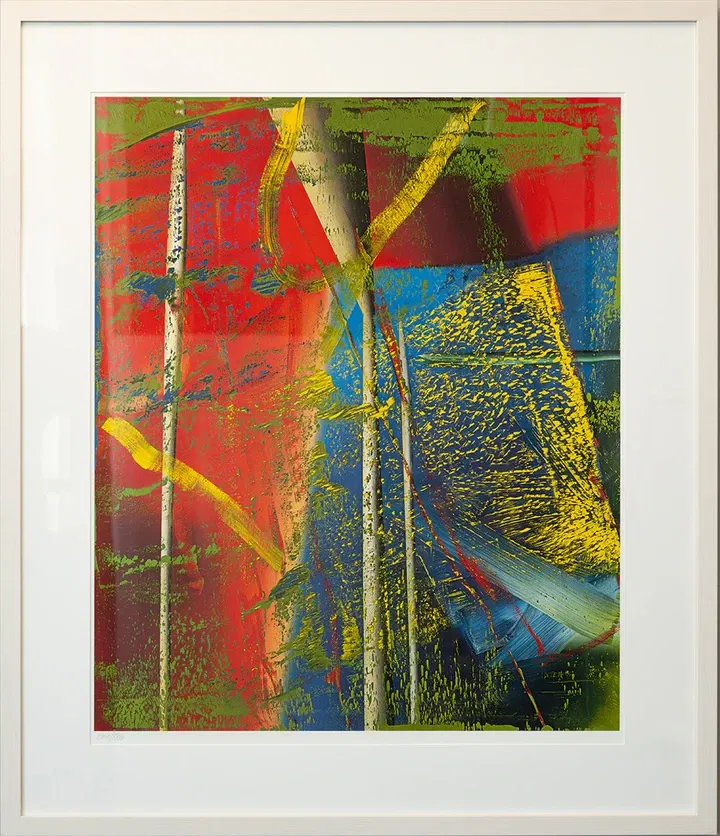


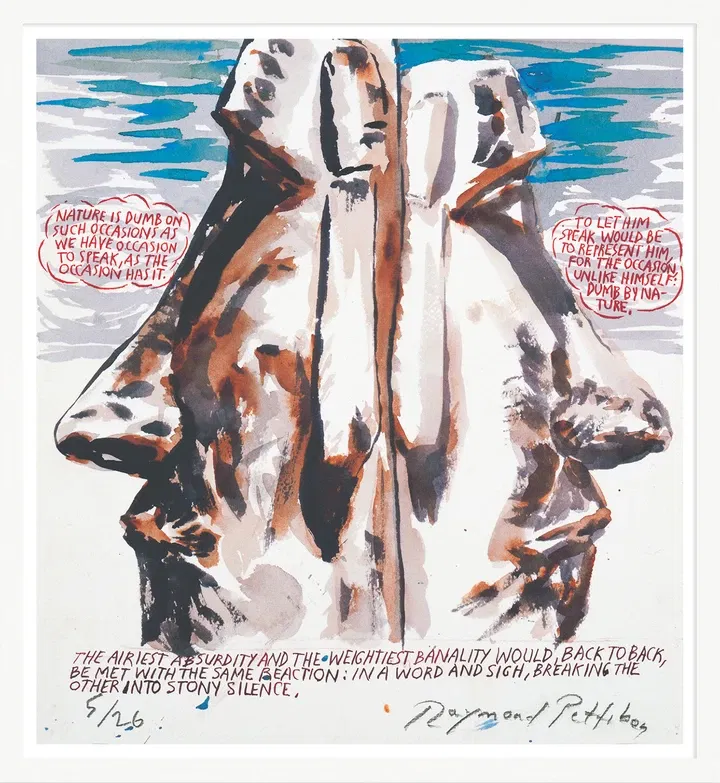
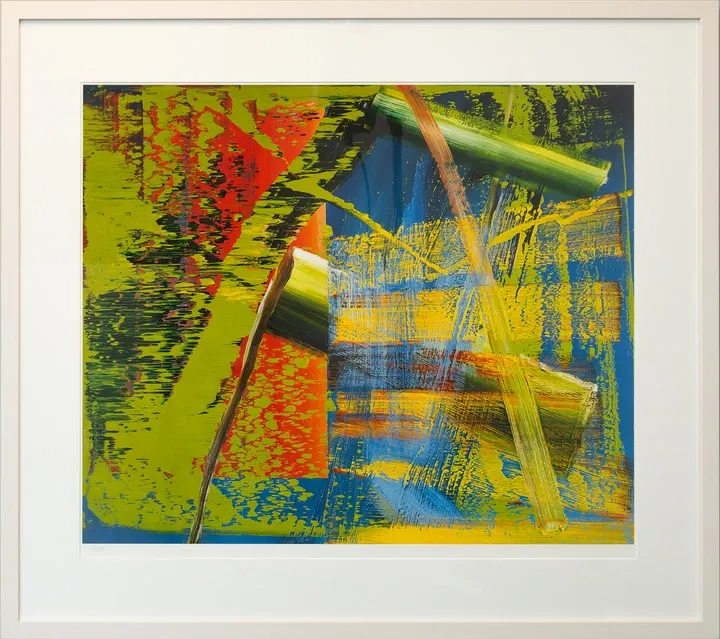
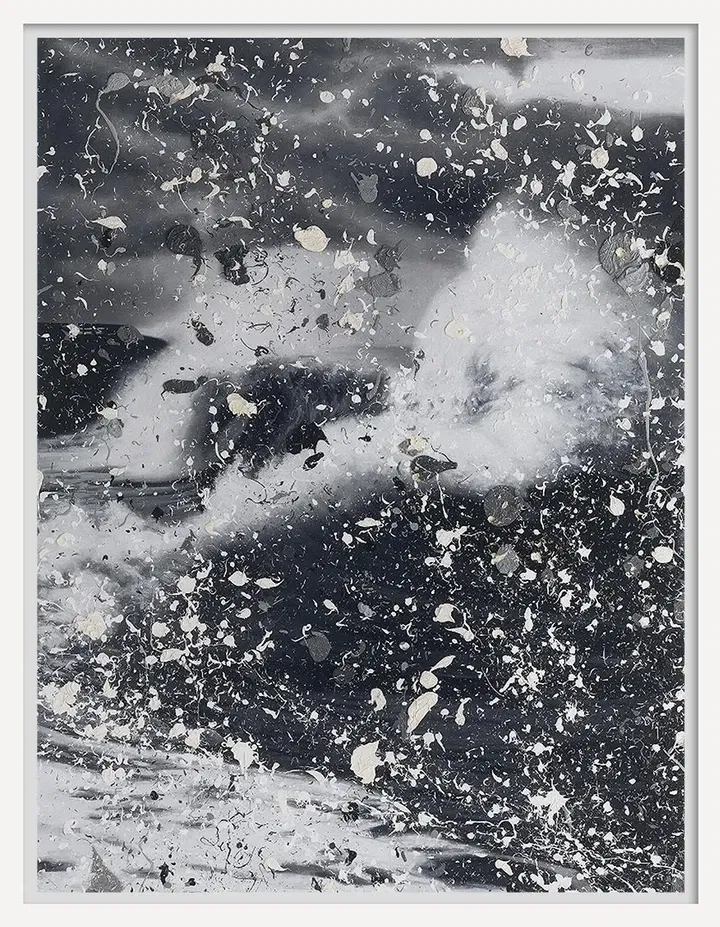
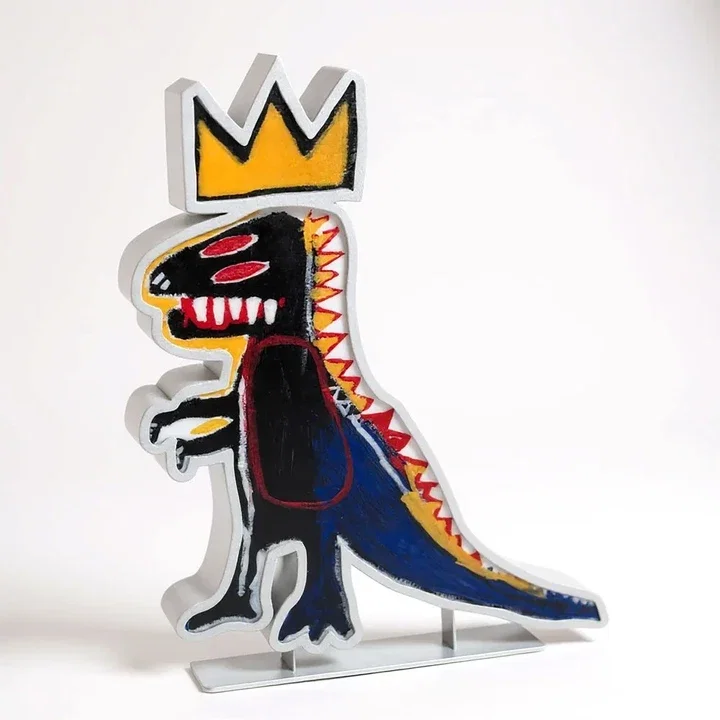

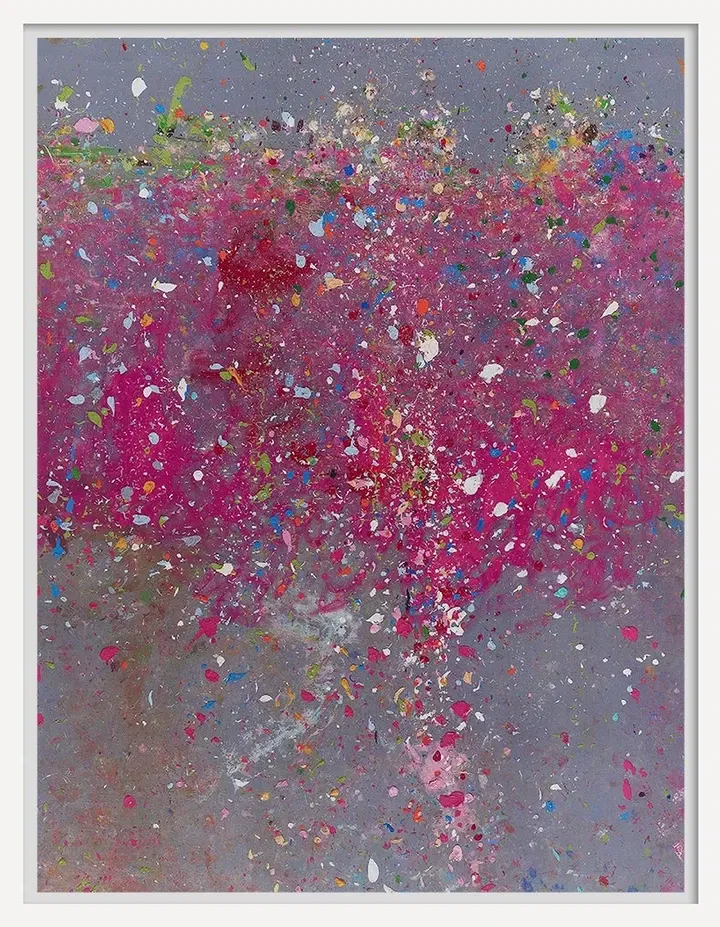


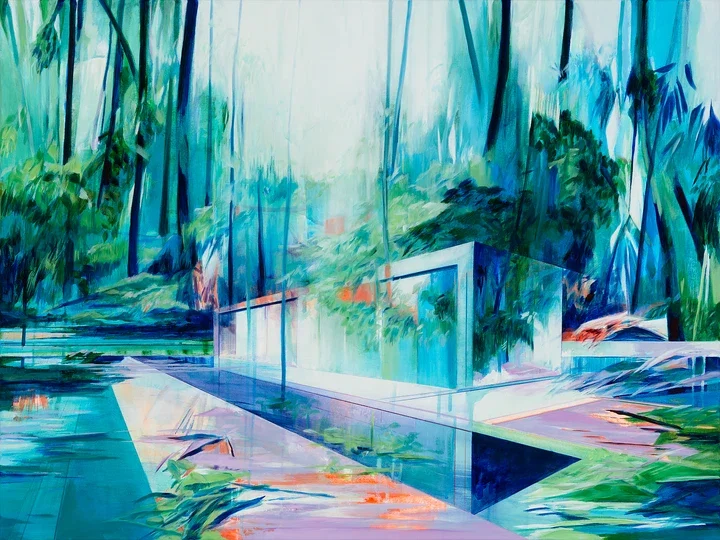
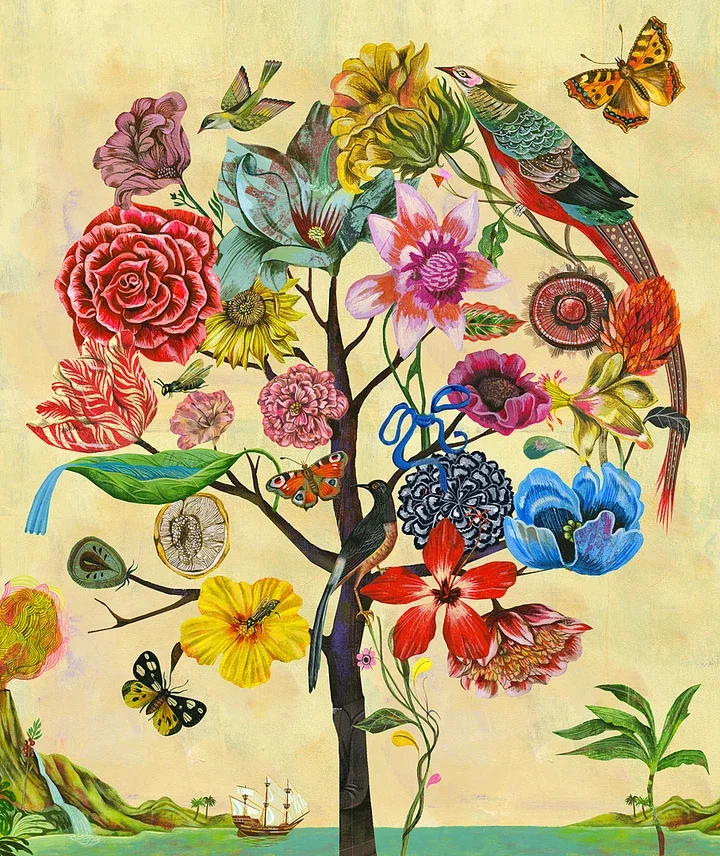
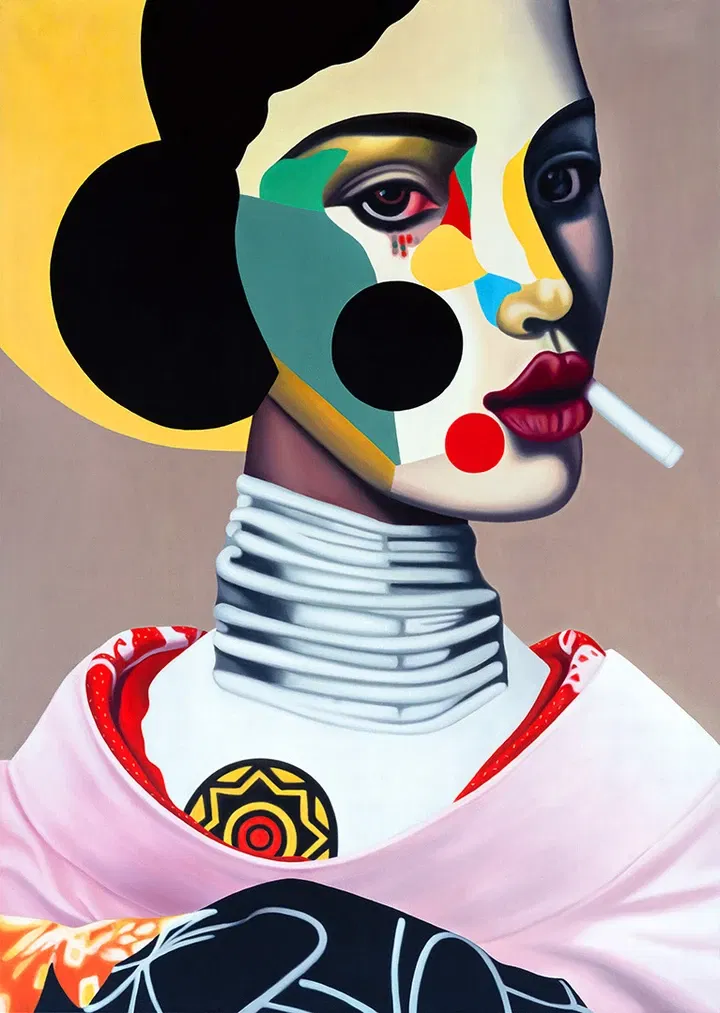
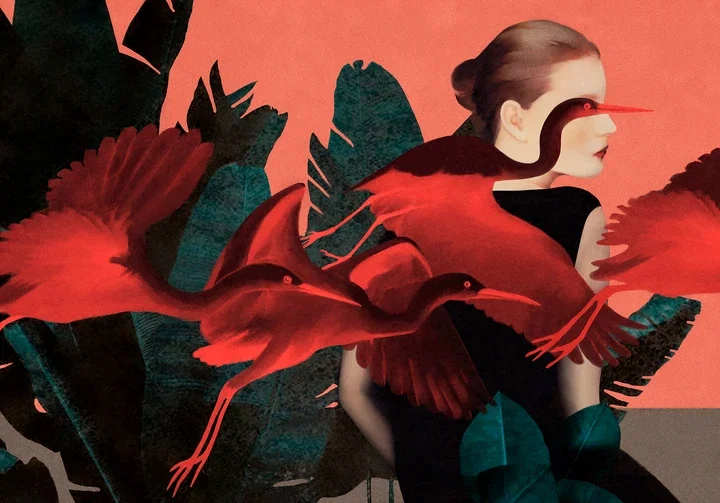
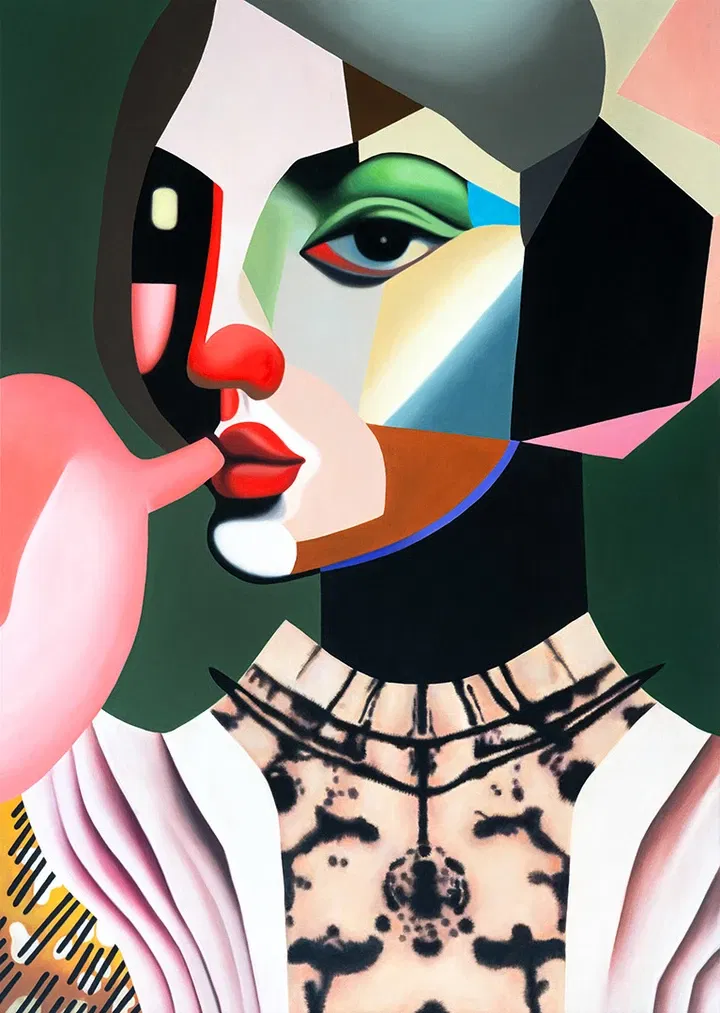
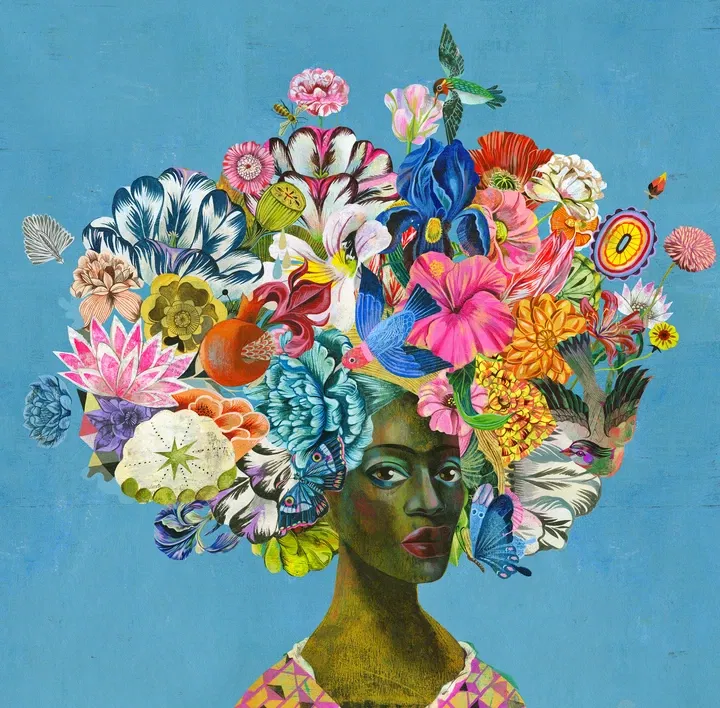
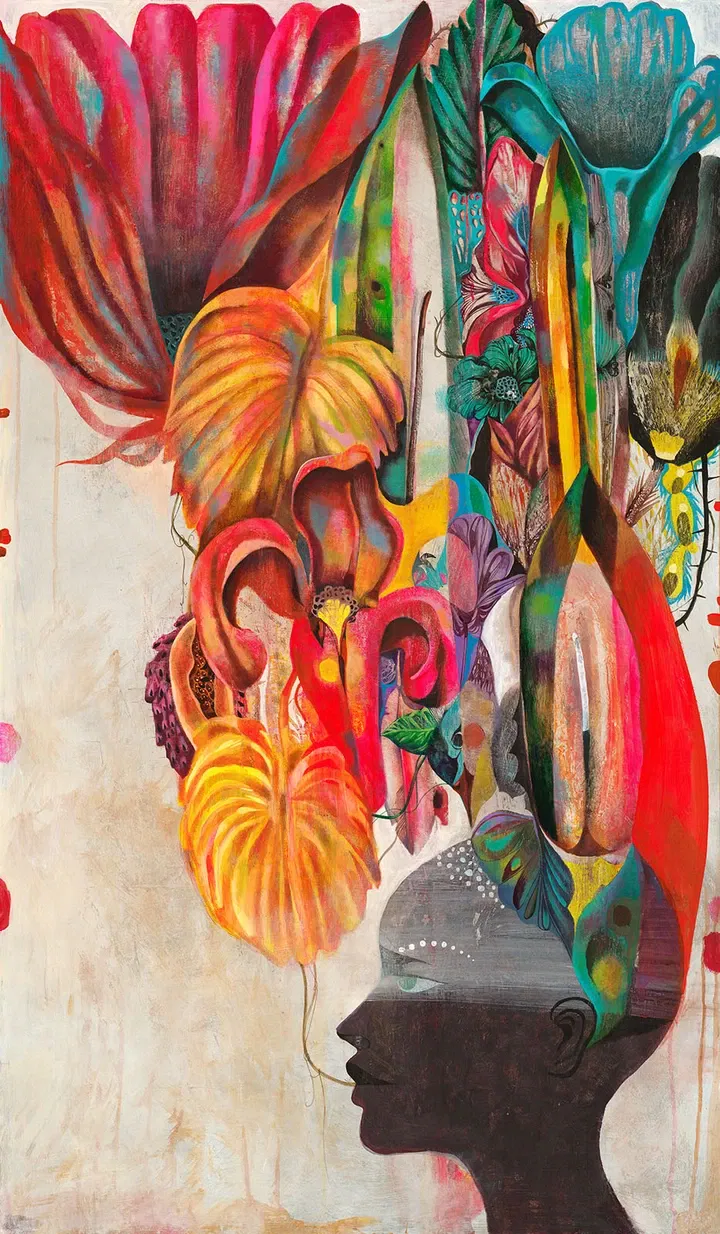
Our selected artists work in the finest tradition of Expressionism and Neo-Expressionism. Our portfolio brings together established names and emerging talents who stand alongside them with equal confidence. Discover our Open Editions featuring motifs by Jean-Michel Basquiat. Olaf Hajek and Daniel Maria Thurau create vibrant portraits and still lifes whose colour recalls the early Expressionists Vincent van Gogh and Paul Gauguin. Explore Expressionist works that match your taste and find your favourites as art for your home.
| 1893 | Edvard Munch's The Scream is regarded as the first Expressionist artwork. |
| 7 June 1905 – May 1913 | The artists' group Die Brücke is founded in Dresden and later dissolved in Berlin. Founding members: Ernst Ludwig Kirchner, Fritz Bleyl, Erich Heckel and Karl Schmidt-Rottluff. |
| 22 January 1909 | Founding of the Neue Künstlervereinigung München – N.K.V.M. (New Artists' Association Munich). Notable exhibiting artists: Marianne von Werefkin, Pablo Picasso, Georges Braque, Wassily Kandinsky, Gabriele Münter and others. |
| 21 April 1910 | Georg Tappert and Max Pechstein found the Neue Secession (New Secession). Seven exhibitions in Berlin up to 1914. |
| 1933 | After the Nazis seize power, Expressionism is branded as "degenerate" art. Artists are persecuted; paintings are removed from museums, destroyed or sold abroad. The loss for posterity is immeasurable. |
| from c. 1950 | USA: Abstract Expressionism, including Colour Field painting, Action Painting and Drip Painting. European terms: Art Informel, Art Brut, Tachisme. Expressionism breaks away from representation entirely. |
| from the 1960s | Neo-Expressionism: a return to figurative painting, but in an Expressionist style. Representatives in Germany: Georg Baselitz, Eugen Schönebeck, Anselm Kiefer. Other terms include Neue Wilde, Wild Style (Basquiat, Haring). |


